What if flickering lights point to a problem elsewhere, not an electrical panel that needs replacing? The signs electrical panel needs upgrading can be unsettling, especially when breakers trip or your home’s electrical demands grow. But warning signs are reasons to investigate, not proof that the panel itself has failed.
Take recurring symptoms seriously. A burning smell or unusual warmth at the panel needs prompt professional attention. Don’t open the panel or attempt a repair yourself. Other signs, such as dimming lights or limited space for new circuits, also call for assessment, but the cause may be elsewhere in the electrical system.
This checklist will help you recognize common warning signs, understand which ones need timely attention, and know what to expect from a qualified assessment in Ontario. A professional can examine the panel and service capacity, then explain whether the issue calls for a repair, further investigation, or an upgrade. You can get a clearer next step without diagnosing a potentially hazardous problem yourself.
Key Takeaways
- Use this signs electrical panel needs upgrading checklist to identify recurring symptoms, but don’t treat any single one as proof the panel must be replaced.
- Flickering lights or tripped breakers can have causes beyond the panel, including a circuit, connection, appliance, or light fixture.
- An older panel or fuse box deserves careful assessment, but age alone doesn’t establish its condition or suitability.
- Record when symptoms occur, which circuits are affected, and any recent electrical changes. Avoid touching or opening the panel.
- A professional assessment can clarify whether further investigation or an upgrade is appropriate. 3e Electrical provides panel and service upgrades across the Greater Toronto Area.
Signs Electrical Panel Needs Upgrading: Start with This Checklist
Use this checklist to note possible warning signs that an electrical panel needs upgrading, not to diagnose the cause. One symptom alone doesn’t confirm that a panel needs replacement.
- Breakers trip repeatedly, especially when ordinary household equipment is in use.
- Lights flicker persistently or across several rooms, rather than briefly when a specific light or appliance starts.
- Everyday electrical loads are difficult to run without interruptions.
- You notice buzzing, visible rust, physical damage, or discolouration around the panel.
- There’s an unusual burning odour, smoke, sparking, or apparent heat at the panel.
An electrical panel, also called a distribution board, directs power through breakers to a building’s circuits. Its condition and capacity matter, but symptoms can also come from a circuit, connection, appliance, or light fixture. Recurring symptoms warrant a professional assessment, not a DIY diagnosis.
Which electrical panel warning signs should homeowners look for?
Repeated breaker trips deserve attention. A breaker may trip because of an overloaded circuit or another electrical fault. It doesn’t automatically mean the panel needs upgrading. Note which breaker trips and what was running, but don’t keep resetting it to test the system.
A brief change in a light can have a different cause from persistent or widespread flickering. Record where and when it happens. Look only at the outside of the panel for rust, impact damage, or discolouration. Don’t remove the cover or touch exposed wiring to investigate. Avoid touching the panel to check its temperature. If it appears unusually warm, treat that as a concern.
Which signs call for prompt attention?
A burning smell, smoke, sparking, or unusual heat may indicate a safety hazard. Keep away from the panel. Don’t open it, touch it, or try to repair it. If there’s smoke, fire, or immediate danger, leave the area and contact emergency services. For a burning odour or unusual warmth without visible smoke or fire, arrange prompt help from a qualified electrical professional and follow emergency guidance if the situation worsens.
3e Electrical provides panel and service upgrades in the Greater Toronto Area, but does not offer 24/7 immediate emergency dispatch. Don’t rely on the company for urgent emergency response. If there’s no immediate danger but symptoms persist, arrange a professional assessment. The findings can show whether the concern is the panel, another part of the electrical system, or whether an upgrade is appropriate.
What These Electrical Panel Symptoms Can and Cannot Tell You
A breaker that trips or a light that flickers tells you something is happening, but not why. These symptoms don’t prove the electrical panel needs replacement. The cause could be a single circuit, a loose or faulty connection, an appliance, or a lighting fixture. Panel capacity is a separate question. An assessment considers whether the electrical service and panel can support the home’s demands safely.
A panel upgrade is a solution determined by professional assessment, not by appearance alone. A crowded-looking panel or recurring symptom may prompt investigation, but neither confirms that replacement is the right response. The key is to identify the cause and consider the panel’s condition and capacity in context.
Can a tripping breaker or flickering light mean something else?
Yes. A problem limited to one room or circuit may point to a localized issue rather than a panel-wide concern. The location, frequency, and timing help an electrical professional narrow down what to investigate. Note whether the flickering affects one light or several areas, and when breaker trips occur. Don’t repeatedly reset breakers or test electrical components yourself.
How can new electrical loads affect panel capacity?
Renovations, new heating equipment, and plans to charge an electric vehicle can change a home’s electrical demand. Those changes may be a reason to review capacity, especially if you’re planning several additions. They don’t automatically mean an upgrade is required. A qualified professional can assess the existing system and determine an appropriate next step.
If EV charging is part of your plans, review this EV charger installation guide as you consider the added load. The signs electrical panel needs upgrading should be weighed alongside the home’s existing equipment and planned electrical use, not in isolation.
Some online information about panel upgrades discusses U.S. incentives. For example, the U.S. Department of Energy outlines federal rebates for electrical panel upgrades, but that U.S. resource shouldn’t be treated as guidance on programs or eligibility in Ontario.
If symptoms persist or you’re planning new electrical equipment, an assessment can clarify whether the issue is localized or capacity-related. 3e Electrical provides panel and service upgrades in the Greater Toronto Area when an assessment confirms they’re appropriate. Learn more about panel and service upgrades.
Old Panel, Fuse Box, or Crowded Breakers: When Is an Upgrade Necessary?
An older home doesn’t automatically need a new panel, and a panel that looks full isn’t proof that it’s unsafe or unsuitable. Homeowners searching “signs electrical panel needs upgrading” should treat age and appearance as reasons to ask questions, not as a verdict. A professional considers the equipment type, visible condition, capacity, recurring symptoms, and how you use the home.
Does an older electrical panel always need replacing?
No single age, by itself, establishes that a panel must be replaced. A fuse box or unfamiliar equipment may deserve a closer review, particularly if you’re planning changes to the home’s electrical use. Condition, capacity, equipment type, and intended use all matter. If you notice visible damage or don’t recognize the equipment, have a qualified professional assess it rather than trying to inspect inside.
What can a crowded breaker panel indicate?
Limited room for additional circuits can be a planning concern, especially before renovations or new equipment. It doesn’t confirm that an upgrade is necessary. Look only at what’s visible without opening the panel. Signs of damage or modifications you can’t identify call for professional review. Don’t remove breakers, covers, or wiring.
| Observed condition | Possible concern | Professional next step |
|---|---|---|
| Older panel or fuse box | Its condition or suitability for current and planned use may need review. | Ask for an assessment of the equipment and electrical demand. |
| Panel appears crowded | There may be limited room for future circuit needs. | Discuss planned renovations or new equipment before work begins. |
| Visible rust, discolouration, or physical damage | The panel may need closer inspection to determine the cause and extent. | Keep the cover closed and arrange a professional assessment. |
| Recurring electrical symptoms | A panel issue is possible, but the cause could be elsewhere in the system. | Share when and where symptoms occur so the professional can investigate. |
The Electrical Safety Foundation International lists warning signs of an overloaded electrical system, including tripped breakers and dimming lights. These signs can help you recognize a concern, but they don’t identify its cause or prove that a panel needs replacement. An assessment connects what you observe with the condition and capacity of the electrical system.
For a broader overview of planning and panel capacity in Ontario, see the Ontario electrical panel upgrade guide. If an assessment confirms that an upgrade is appropriate, 3e Electrical provides panel and service upgrades across the Greater Toronto Area. Review the panel and service upgrade information to learn more.
What to Do if Your Electrical Panel Needs Attention
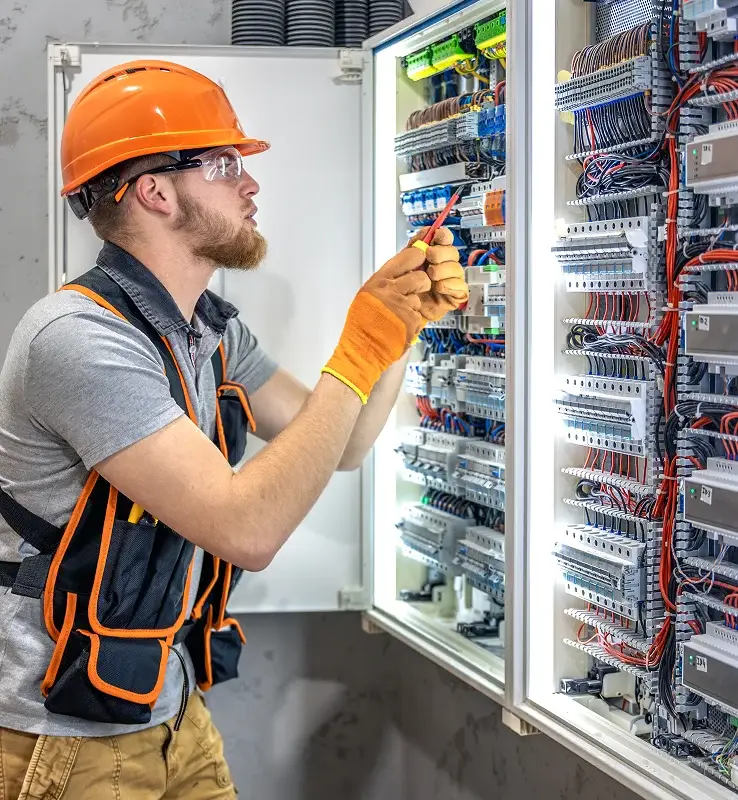
If you’ve noticed possible signs electrical panel needs upgrading, focus on documenting what’s happening and getting qualified advice. You don’t need to identify the fault yourself. Use these steps:
- 1. Record the symptoms. Note when they happen, how often, and which rooms, circuits, or equipment seem affected. Include any recent renovation, new appliance, or other electrical change.
- 2. Keep a safe distance. Don’t remove the panel cover, touch exposed wiring, or try to test or repair components. If there’s smoke, sparking, a burning smell, or unusual heat, stay away and tell the professional when requesting help. If there’s immediate danger, contact emergency services.
- 3. Arrange an assessment. Share your notes with a qualified electrical contractor and ask them to investigate the symptoms and panel condition.
Clear information helps the professional understand the pattern. For example, note whether flickering happens in one room or several, or whether a breaker trips when particular equipment is in use. If you take photos, photograph only visible exterior concerns from a safe distance. Don’t open the panel to get a better view.
What information should you prepare for an electrician?
Before requesting help, write down the symptom, its frequency, affected rooms or equipment, and any recent renovation or installation. Clearly mention burning odours, unusual sounds, apparent heat, smoke, or sparking. These details help the contractor understand the concern and decide how to approach the assessment. Don’t delay urgent help to collect notes or take photographs.
What happens during a professional panel assessment?
A qualified contractor can review your reported symptoms, examine the visible equipment, and consider the home’s electrical needs and service capacity. The findings may point to a circuit, connection, appliance, lighting fixture, or another issue rather than the panel itself. Any recommendation should reflect what the assessment identifies, not an assumption based on age or appearance.
Ontario-specific requirements can depend on the work involved. Ask the contractor to confirm the current Electrical Safety Authority requirements and applicable Electrical Safety Code details before relying on general information about permits, notifications, or inspections.
For background on planning and capacity, read the electrical panel upgrade guide. If an assessment confirms an upgrade is appropriate, contact 3e Electrical about panel and service upgrades in the Greater Toronto Area.
When a Panel Upgrade Is Recommended: A Safe Next Step in the GTA
A professional assessment may recommend a panel upgrade, but that’s only one possible outcome. The findings, your household’s electrical needs, and applicable Ontario requirements all shape the next step. A symptom or an older panel alone shouldn’t settle the decision.
3e Electrical provides panel and service upgrades across the Greater Toronto Area. The company is led by a Professional Engineer and Master Electrician. If an assessment identifies a need for more capacity or replacement equipment, the recommendation should explain how the proposed work addresses that finding.
How can homeowners evaluate an upgrade recommendation?
Ask the contractor to connect the recommendation to specific assessment findings. What was observed? Is the concern the panel’s condition, available capacity, or another part of the electrical system? Ask what alternatives were considered, what scope of work is proposed, and how the recommended capacity relates to your current and planned electrical needs. Request clarification about applicable compliance steps for your project. Timelines, permits, pricing, and outcomes depend on the specific work, so confirm those details directly rather than assuming.
When should GTA homeowners contact an electrical contractor?
Arrange an assessment if symptoms keep recurring, you’re planning electrical additions, or you’re concerned about visible damage or the condition of the panel. That applies whether you live in Toronto, Etobicoke, Mississauga, North York, or elsewhere in the GTA. Share what you’ve observed and any planned changes. A clear account helps the contractor understand what needs review.
The signs electrical panel needs upgrading can guide you to seek advice, but an assessment determines whether an upgrade is appropriate. If smoke, sparking, fire, or another immediate danger is present, keep away and contact emergency services. Don’t wait for a routine assessment to address an urgent hazard.
If you’re ready to discuss your observations or planned electrical needs, contact 3e Electrical about a panel assessment. The next step is a clear review of the situation, followed by a recommendation based on the findings.
Make Your Next Step an Informed One
Recurring flickering, breaker trips, or visible panel concerns deserve attention, but they don’t automatically mean your panel needs replacing. The signs electrical panel needs upgrading are prompts to investigate, not a substitute for professional diagnosis. An assessment can help distinguish a panel or capacity concern from a fault elsewhere in the electrical system.
Keep a clear record of what you’ve noticed and share it with a qualified electrical professional. Recommendations should reflect the panel’s condition, your household’s needs, and applicable Ontario requirements. If an upgrade is appropriate, 3e Electrical provides panel and service upgrades across the Greater Toronto Area. The company is led by a Professional Engineer and Master Electrician.
If you’re ready to discuss your concerns, contact 3e Electrical to discuss a professional panel assessment. A clear assessment can replace uncertainty with a practical next step. You don’t have to diagnose the issue yourself to move forward safely.
Frequently Asked Questions
Can flickering lights be a sign that an electrical panel needs upgrading?
Flickering lights can point to an electrical issue, but they don’t prove the panel needs upgrading. A single fixture, one area, or the whole property may be affected for different reasons. Note where the flickering occurs and whether it’s persistent. Don’t open the panel to investigate. A qualified electrician can assess whether the cause involves the panel, a circuit, or another part of the electrical system.
Can a breaker keep tripping without the panel needing replacement?
Yes. A breaker may trip because of a circuit problem or an issue with connected equipment, among other possible causes. Repeated trips still need attention, but resetting the breaker isn’t a lasting solution. Don’t keep resetting it to test the system, open the panel, or change components. Record when the trips occur and what was running, then arrange an assessment with a qualified electrician.
What are the warning signs of an unsafe electrical panel?
Possible warning signs include burning odours, smoke, sparking, unusual warmth, visible damage, or persistent buzzing. These symptoms don’t identify the exact fault, but they shouldn’t be ignored. Keep away from the panel and don’t remove its cover. If there’s smoke, sparking, or immediate danger, move to safety and contact emergency services. 3e Electrical doesn’t provide 24/7 emergency dispatch, so don’t rely on the company for immediate emergency response.
Does an old fuse box mean I need an electrical panel upgrade?
No, not automatically. The equipment’s condition, capacity, intended use, and any symptoms all help determine what work may be needed. Age or panel type alone can’t confirm that replacement is necessary. Ask a qualified electrical contractor to assess the installation and explain the findings. The Ontario electrical panel upgrade guide linked in this article offers more background for homeowners considering an upgrade.
Can adding an EV charger mean my electrical panel needs upgrading?
It can make a review of available electrical capacity important, but adding a charger doesn’t automatically require a panel upgrade. An assessment should consider the existing electrical service and panel, along with the planned charging equipment and other household loads. Don’t judge capacity by the panel’s appearance alone. The EV charger installation guide linked in this article explains more about planning charging work safely in Ontario.
How do I know if my electrical panel has enough capacity?
A qualified electrician can assess the panel, electrical service, existing loads, and equipment you plan to add. A full-looking panel or one symptom can’t establish capacity on its own. Share plans for renovations, new appliances, heating equipment, or EV charging during the assessment. Ask the electrician to explain any applicable Ontario code or inspection requirements for the work being considered.
Should I replace my electrical panel if the breakers keep tripping?
Repeated breaker trips are among the signs electrical panel needs upgrading, but they don’t automatically mean it should be replaced. The cause may involve a circuit, connected equipment, or the panel itself. Don’t keep resetting the breaker or remove the panel cover. Record when trips happen and what was running, then arrange an assessment. 3e Electrical provides panel and service upgrades across Toronto, Etobicoke, Mississauga, and North York.