FAQ
Electrical questions, answered.
Straight answers about costs, panels, wiring, breakers, and EV chargers — from licensed electricians serving Toronto and the GTA.
Free remote estimates
Send a few photos of your panel or project and get a clear cost range before anything is booked.
Licensed electricians
ESA-licensed electricians for homes and businesses, led by a professional engineer and master electrician.
10-year workmanship warranty
Every job backed by our 10-year workmanship warranty. Premium work, done right the first time.
General
What residential electrician services do you offer?+
3e Electrical provides expert residential electrician services in Toronto, Etobicoke, Mississauga, and North York, including electrical installations, repairs, wiring upgrades, lighting solutions, panel upgrades, EV charger installations, and smart home automation. Visit our service section for a full list of electrical solutions tailored for your home.
What areas do you serve?+
We proudly serve Toronto, Mississauga, Etobicoke, North York, and Oakville.
Costs & estimates
How much does it cost to upgrade an electrical panel?+
A like-for-like panel swap runs $1,400–$2,800 plus HST, depending on new breakers, panel brand, and panel size. A full service upgrade (for example 100 amps to 200 amps) with copper feeds starts at $4,300 plus HST, varying with factors like circuit extensions, AFCI breakers, length of feed, and the make and model of the panel. Every home is different — we provide a free remote cost estimate before any work is booked. See our panel upgrade options.
How much does it cost to install pot lights?+
A common range is $100–$300 per light installed, depending on the number of lights, ceiling type, and wiring access. Dimmable LED pot lights cost a bit more up front but use far less energy and last for years. We provide a free remote cost estimate for your layout.
How much does an electrician cost?+
Across Ontario, electricians typically charge $85–$160 per hour depending on the job type and complexity — as craftsmanship and service go up, so does the rate. You get what you pay for.
A Toronto electrician’s hourly rate covers more than the technician in your home: the office team scheduling your visit, stocked vehicles, specialty tools — the behind-the-scenes work behind an award-winning service.
If you’re a bargain hunter, we aren’t the shop for you. Homeowners across Toronto and Etobicoke — from Forest Hill and Lawrence Park to the Kingsway and Markland Wood — choose 3E for professional electricians who respect their time, their home, and deliver.
We keep it simple: free remote cost estimates up front, so you approve a clear price range before we book — no surprises.
Do you offer free estimates for electrical projects?+
Yes, 3e Electrical provides free remote cost estimates for electrical projects in Toronto, Etobicoke, Mississauga, and North York. After accepting the cost range, our licensed electricians conduct a detailed assessment with a materials list and photographic evaluation for an accurate quote. Book your free estimate today!
Panels & electrical service
Illustration
Will I need an electrical service upgrade for an EV charger?+
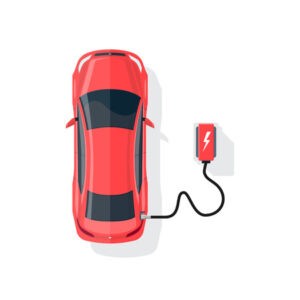
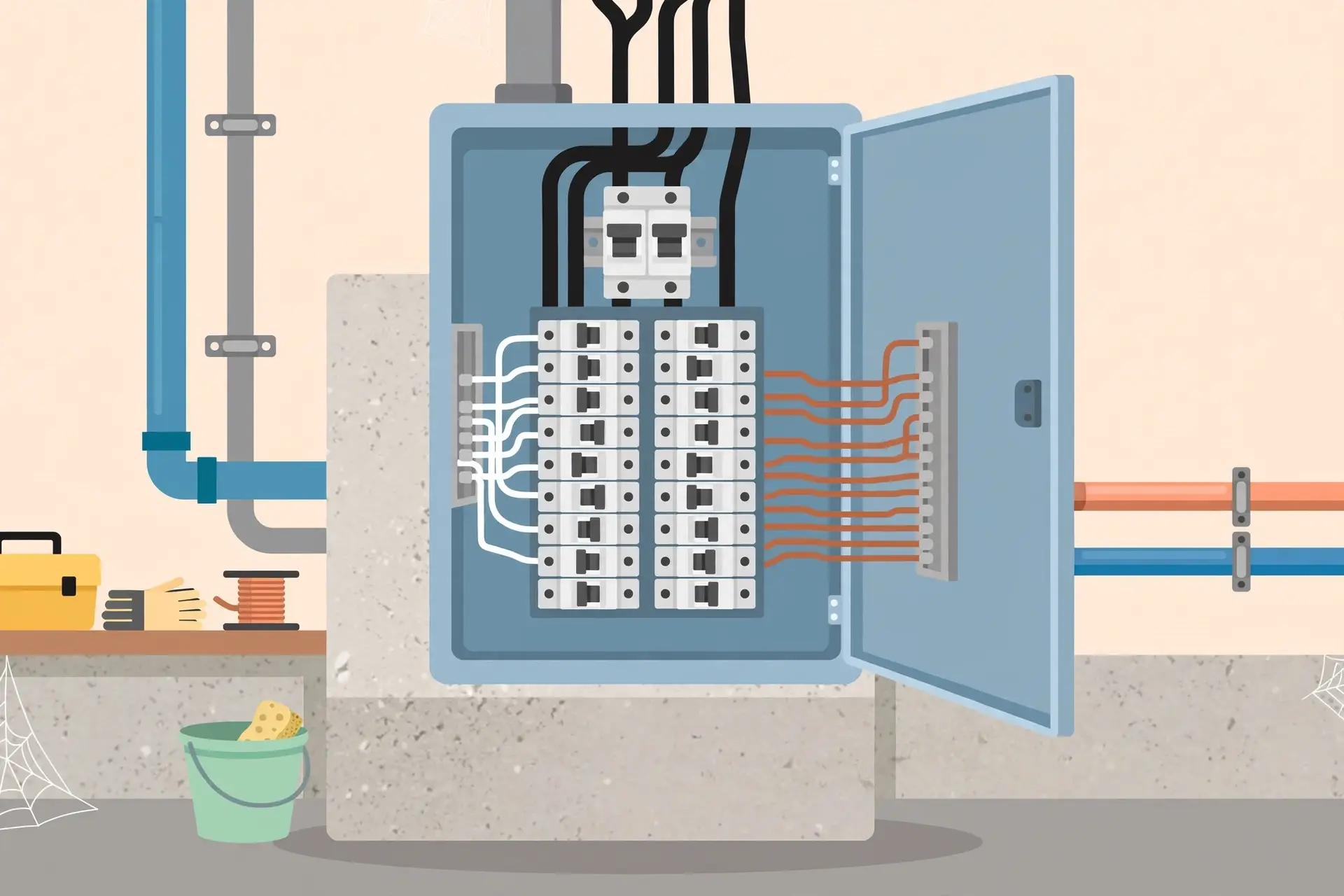
It depends on your home’s current electrical load. For fast EV charging (50–63 km/hour), a 100 amp service often requires a 200 amp electrical panel upgrade in Etobicoke or North York, but depending on your energy usage you may be fine with no upgrade at all. If you want a sauna or hot tub in the future or have one now, and you have 100A service, you will need a load shedding device or a 200A Service Upgrade. For a service upgrade with copper feeds; costs start at $4,300 plus HST, varying with factors like circuit extensions or AFCI breakers, length of feed, make and model of electrical panel. Contact us for a free estimate to ensure your EV charger installation meets your needs.
How do I know if my home needs an electrical panel upgrade?+
If your Etobicoke or Toronto home is over 20 years old, has a 60 or 100 amp service, or experiences warm panels, burning smells, flickering lights, or frequent breaker trips, you may need an electrical panel upgrade. A 200 amp panel supports modern appliances and EV chargers, boosting resale value. Contact our Etobicoke electricians for a free electrical panel upgrade estimate. A like-for-like panel swap runs $1,400–$2,800 plus HST, depending on new breakers, panel brand, and panel size. A full service upgrade starts at $4,300 plus HST, varying with factors like circuit extensions or AFCI breakers.
Do I need 200-amp service?+
It depends on your home’s size, heating type, and plans like EV charging or a hot tub. A licensed electrician does a load calculation to determine what your service can support — many Ontario homes still run fine on 100 amps, while larger or all-electric homes often need 200. If you are planning major additions, upgrading to 200 amps once is usually the smarter move.
How long does a panel upgrade take?+
A straightforward like-for-like panel swap is often a single day of on-site work. The timeline stretches when the incoming service needs upgrading, the panel moves to a new location, or ESA inspection scheduling adds days. Your electrician will confirm the timeline after assessment.
Should I replace my fuse box with a breaker panel?+
Yes, in most cases. Fuse boxes cannot safely handle modern electrical loads, replacement fuses are getting harder to find, and many insurers charge more — or refuse coverage — for homes with fuse boxes. A breaker panel gives you more capacity, better protection, and room to add circuits for things like EV chargers.
Wiring & safety
Illustration
What is knob-and-tube wiring, and will it affect my home insurance?+
Knob-and-tube is the original wiring found in many pre-1940s Ontario homes — it has no ground wire. The ESA allows it to remain if it is protected by a 15-amp fuse or breaker, has not been altered, and is in good condition. But many Ontario insurers will not issue or renew a policy on a home with active knob-and-tube, or they will charge significantly more. A full rewiring often runs $8,000–$20,000 or more depending on the size of the home. If you are buying an older home, have the wiring assessed before closing.
Is aluminum wiring safe?+
Aluminum wiring was common in Ontario homes built in the 1960s and 70s. It is safe when properly installed and maintained, but aluminum connections can loosen over time, which creates heat and a fire risk. Some insurers require an inspection or remediation before offering full coverage. A licensed electrician can assess your aluminum wiring and remediate connections where needed.
Can I do my own electrical work?+
Homeowners are allowed to do some of their own electrical work, but you must get a permit from the Electrical Safety Authority (ESA) and pass inspection. Panel upgrades, service work, and anything beyond basic device replacement are jobs for a licensed electrical contractor. Unpermitted work creates safety risks and can cause problems with insurance or resale.
Do I need an electrical permit for home electrical work?+
Most electrical installations and alterations in Ontario require ESA notification and inspection — including panel upgrades, new circuits, EV chargers, and rewiring. Your licensed contractor handles the permit and books the inspection. Simple like-for-like device swaps, such as replacing a switch or receptacle, generally do not need one, but when in doubt, ask.
When should I replace my smoke and carbon monoxide alarms?+
Replace smoke alarms every 10 years and carbon monoxide alarms every 5 to 10 years (check the manufacturer’s label) — even if they still beep when you press the test button, the sensors wear out over time. Check the manufacture date printed on the back of each unit; if there’s no date or it’s past its service life, replace it. In Ontario, you need working smoke alarms on every storey and outside sleeping areas, plus CO alarms adjacent to sleeping areas and on each storey if you have fuel-burning appliances, a fireplace, or an attached garage. Test them monthly. We recommend hardwired, interconnected alarms with battery backup so they all sound together.
How often should my home’s electrical system be inspected?+
Have your wiring inspected every 10 years, or when buying or selling a home. Older homes — especially those with knob-and-tube, aluminum wiring, or fuse boxes — should be checked more often. An inspection catches worn connections, overloaded panels, and code issues before they become hazards.
Breakers & troubleshooting
Illustration
Why are my lights flickering?+
Flickering often comes from a loose connection, an overloaded circuit, or the fixture itself. If it is persistent, affects several rooms, or you notice a burning smell, have an electrician investigate promptly — it can signal a wiring problem.
What should I do if my circuit breaker keeps tripping?+
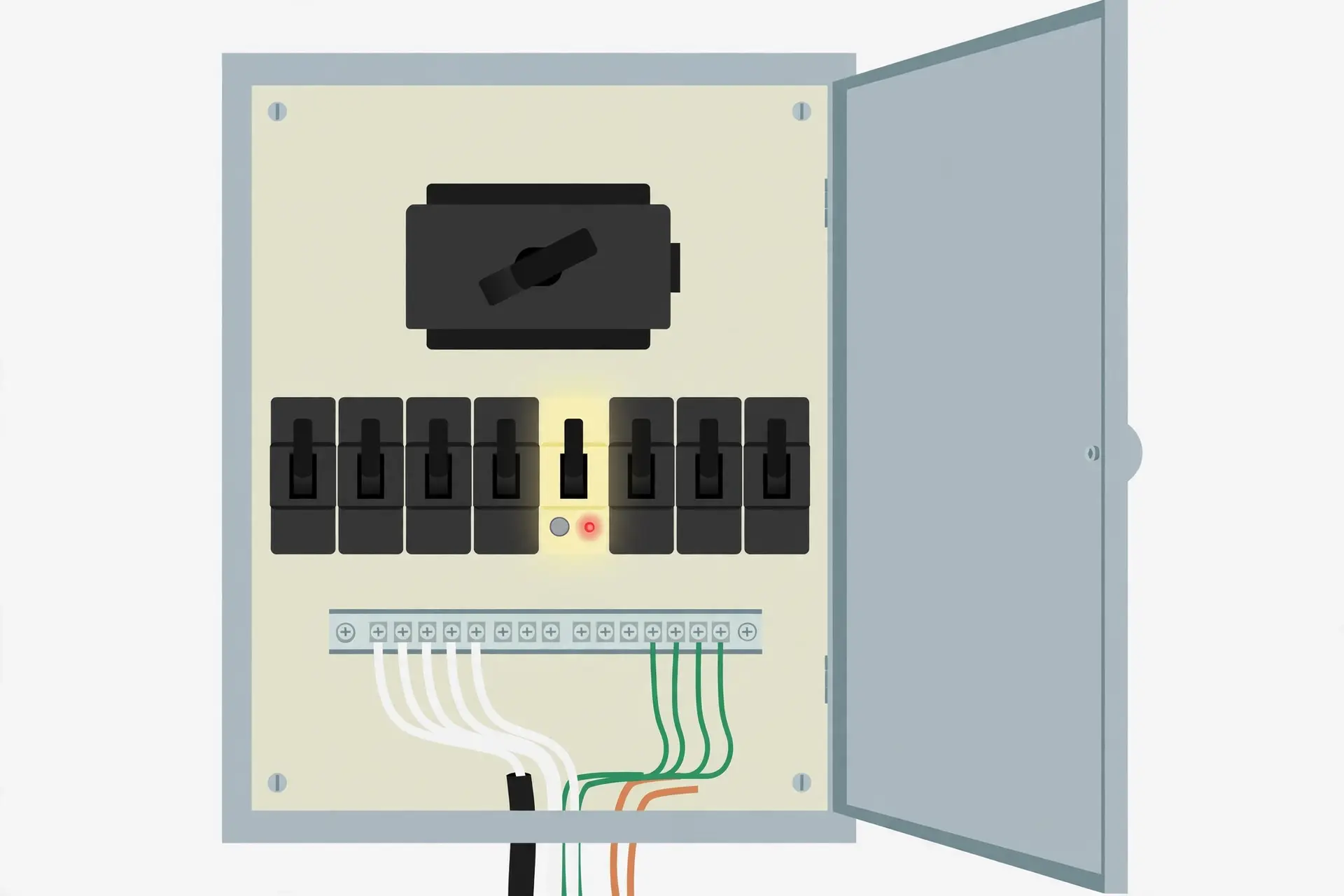
Don’t panic — a tripped breaker usually means it did its job and cut power to protect the circuit. First, unplug or switch off the devices on that circuit. Then reset the breaker once: find your panel, look for the handle sitting between ON and OFF (some have an orange indicator window), push it firmly all the way to OFF, then firmly to ON — stand to the side of the panel and use one hand. If the power stays on, you’re fine. The three usual culprits behind repeated tripping: an overloaded circuit (too many devices drawing power at once — think space heater plus hair dryer), a short circuit (a hot wire touching a neutral wire, often from damaged cords or wiring), or a ground fault (current leaking to ground, common in kitchens, bathrooms, and outdoor circuits). An occasional trip after plugging in something big is normal. If it trips again right away, or you smell burning or see scorch marks, leave it off and call a licensed electrician.
Why did the outlets in my bathroom stop working?+
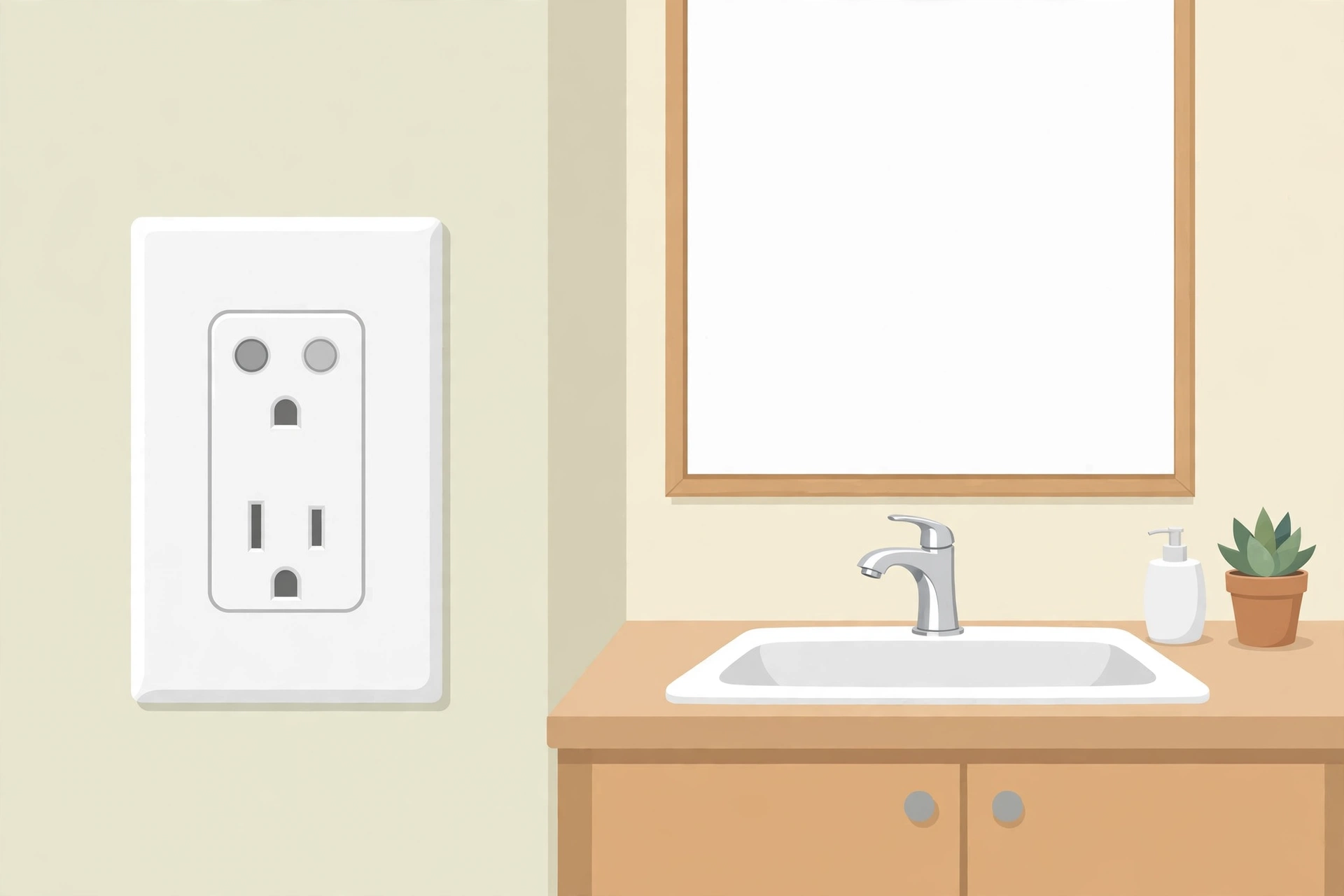
Nine times out of ten, it’s a tripped GFCI outlet. Bathroom receptacles are GFCI-protected, and a single GFCI often protects the lights and other outlets downstream — sometimes in another bathroom. Find the GFCI outlet (the one with the TEST and RESET buttons) and press RESET firmly. If it will not reset, or it trips again right away, there could be a wiring or moisture issue — that is a job for a licensed electrician. If no GFCI is tripped, check your panel for a tripped breaker.
EV chargers
Do you install electric vehicle (EV) chargers for homes?+
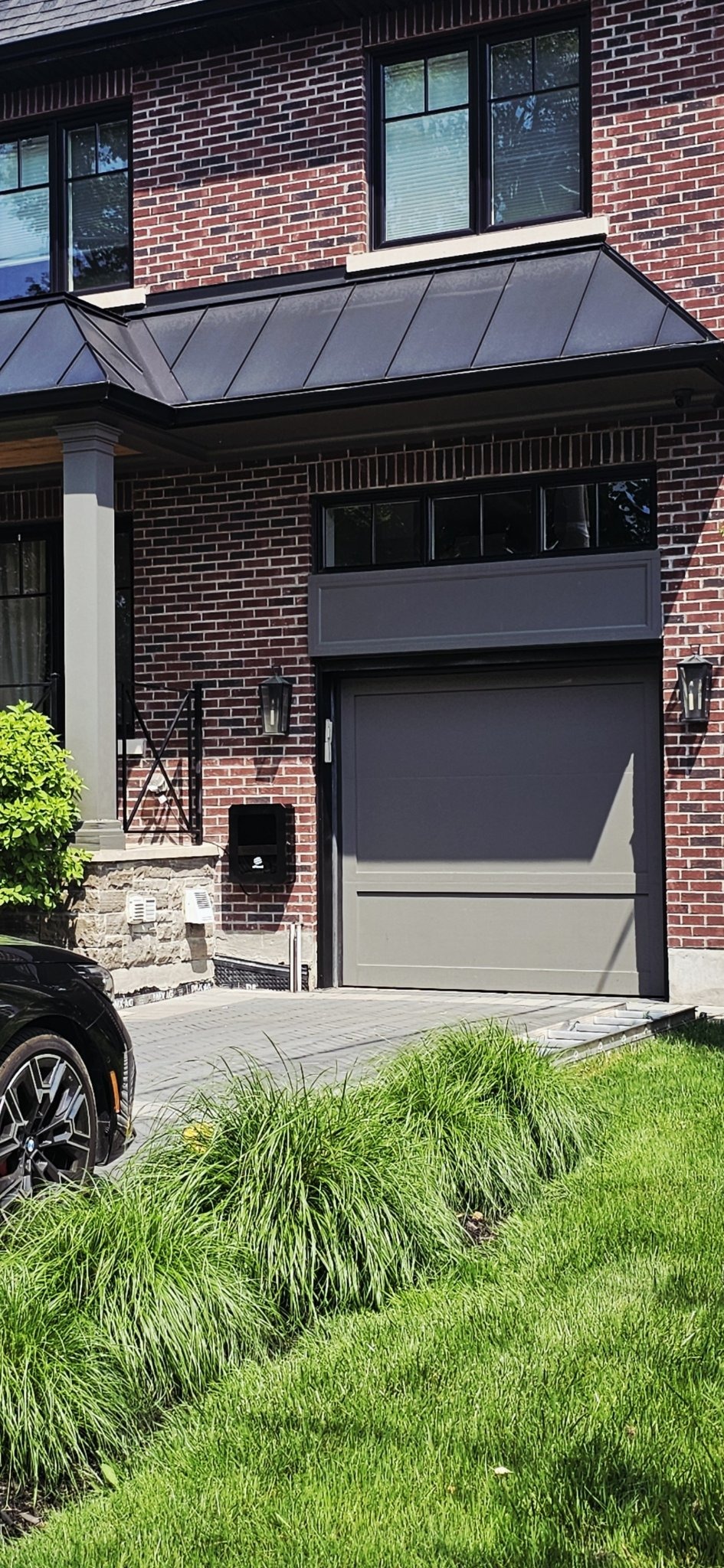
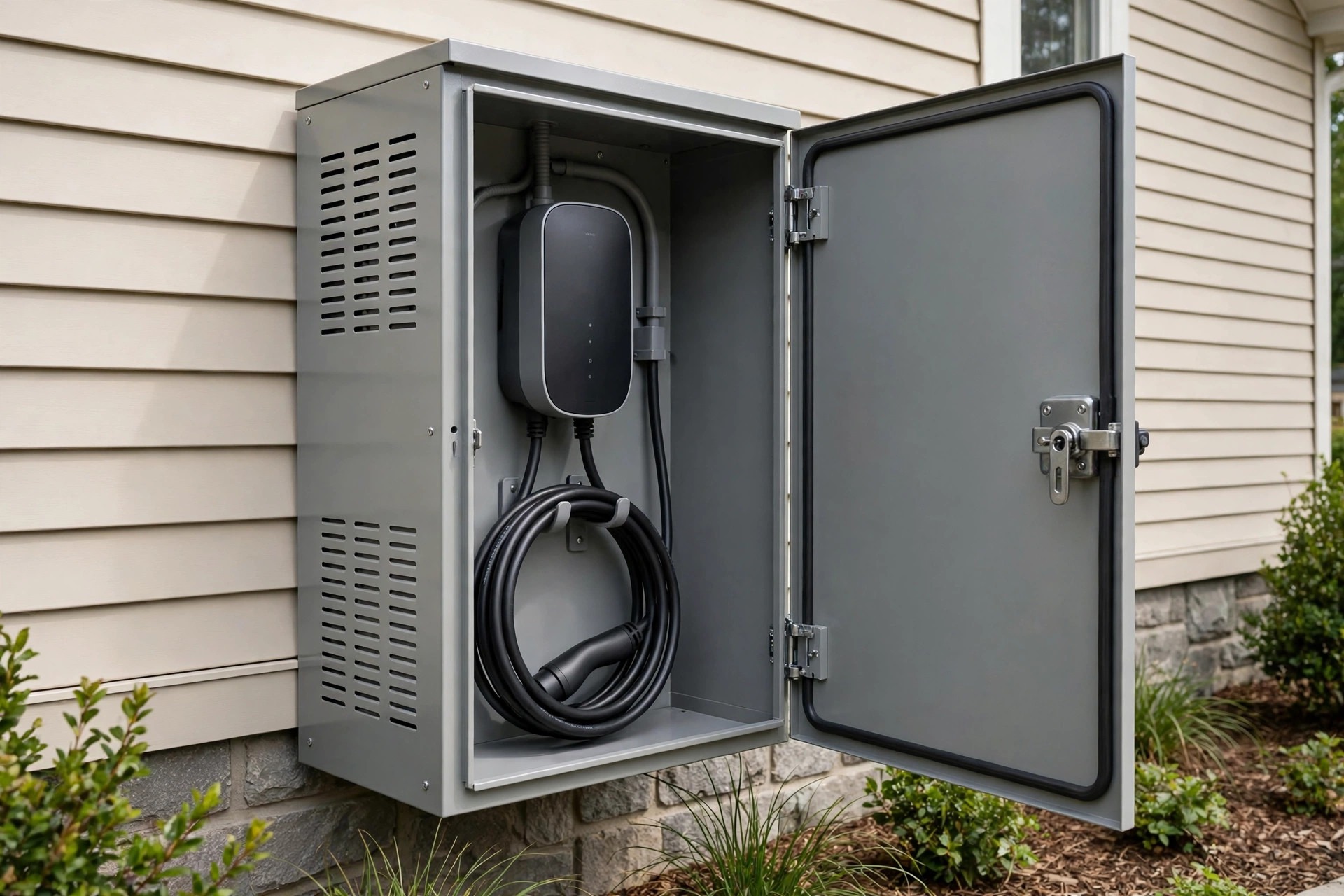
Yes, our licensed electricians install Level 2 EV chargers for homes in Toronto, Etobicoke, Mississauga, and North York. The average cost for a Level 2 EV charger installation in Mississauga or Toronto is $1,699 plus HST, excluding the charger. Costs vary based on panel distance and electrical setup. Trust our professional EV charger installation services for safety and efficiency.
How much does it cost to install an EV charger at home?+
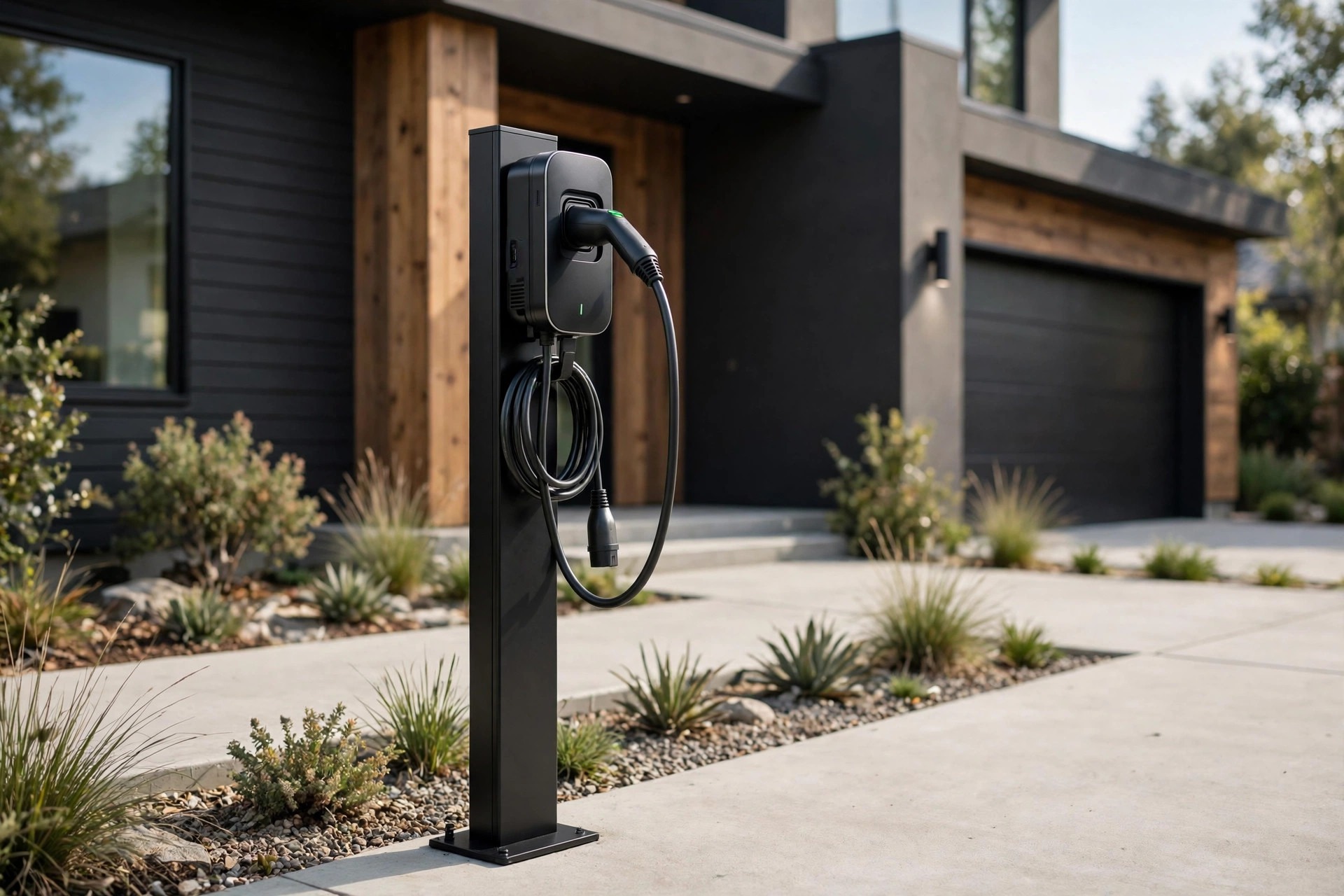
The average Level 2 installation runs about $1,699 plus HST, excluding the charger unit itself. The final price depends on the distance from your panel, the wiring route, and whether your panel or service needs work first. We provide free remote cost estimates, so you know the range before anything is booked. Learn more about our EV charger installation.
For businesses
Why choose 3E Electrical for commercial electrician services?+
As a multi-award-winning electrical contractor recognized by HomeStars, Houzz, and local communities in Toronto and Oakville, 3e Electrical delivers reliable commercial electrician services in Toronto, Etobicoke, Mississauga, and North York. Our licensed electricians and dedicated project managers ensure high-quality, transparent service for your business
What commercial electrical services do you offer?+
We provide comprehensive commercial electrical services in Toronto, Etobicoke, Mississauga, and North York, including new construction, renovations, lighting installations, electrical upgrades, and EV charger solutions for businesses and fleets. Our experienced team meets the unique needs of commercial properties and industries.
Can you install EV chargers for businesses or fleets?+
Yes, our Mississauga and Toronto electricians specialize in commercial EV charger installations, including Level 2 and Level 3 (DC fast charging) solutions for parking lots, restaurants, malls, and fleets. We design future-proof systems to support growth, with costs based on electrical capacity. Contact us for a consultation with our in-house principal engineer for commercial EV charger installation in Toronto.
Proudly serving Toronto & the GTA
Toronto · Etobicoke · Mississauga · North York · Oakville
Get a free estimate
Send a few photos and get a clear cost range for your project — no surprises.
Request a free estimate