
How do you know if an electrician is good? It is actually two questions — and confusing them is how people end up with beautiful work and a miserable experience, or a lovely company with work you would not want hidden in your walls. A good hire passes both tests: the company, and the electrician.
On This Page
- Two Different Tests: The Company and the Electrician
- Test One: Is It a Good Service Company?
- Test Two: Is the Person in Your Home a Good Electrician?
- The Knowledge Question: Code, Design, and the Installer
- Read the Reviews Twice: Once for the Company, Once for the Craft
- Red Flags: ESA’s List, and a Few More
- Questions to Ask Before You Hire
- Frequently Asked Questions
Two Different Tests: The Company and the Electrician
The company decides how your job feels: a real arrival time, updates during the work, an invoice that matches the quote. The electrician decides how your job lasts: proper connections, neat runs, a dressed and labelled panel. A brilliant electrician in a badly run company still gives you a bad day; a slick company with mediocre installers gives you a pleasant day and work you would rather not look at closely.
Test One: Is It a Good Service Company?
They can prove they are legal — in about two minutes. In Ontario, home electrical work must be done by a Licensed Electrical Contractor (ECRA/ESA), and the licence number should be on the quote, the truck, and the website — 3e’s is ECRA/ESA 7014948. Verify it in ESA’s contractor lookup and ask for insurance and WSIB proof. Even a master electrician cannot be hired directly unless their business is itself licensed.
They treat the permit as routine. Most work — panels, new circuits, an EV charger, renovation wiring — requires an ESA Notification of Work and an inspection, and only the Licensed Electrical Contractor can file it. It belongs on your estimate, and you receive the ESA Certificate of Acceptance when the work passes.
The quote is written, itemized, and fixed — a number that is the number you pay. Our standard, on every quote:
We quote it. You approve it. We do it. ⚡
Vague verbal figures are how budgets double. If something unexpected appears, the good-company move is to stop, show you, and quote the change first.
The warranty is in writing — and its length is a confession. The workmanship warranty covers the labour, the part that protects you from sloppy work. One year is the industry floor; longer terms exist because the company expects its work to last. Ours is DecadeShield: 10 years, in writing.
They run like a service business, because they are one. Late arrivals are a top homeowner frustration, and silence during a job can sink one that went fine. Watch the signals: fast callbacks, an arrival time they commit to and update, plain-language explanations, billing that matches the quote.
Test Two: Is the Person in Your Home a Good Electrician?
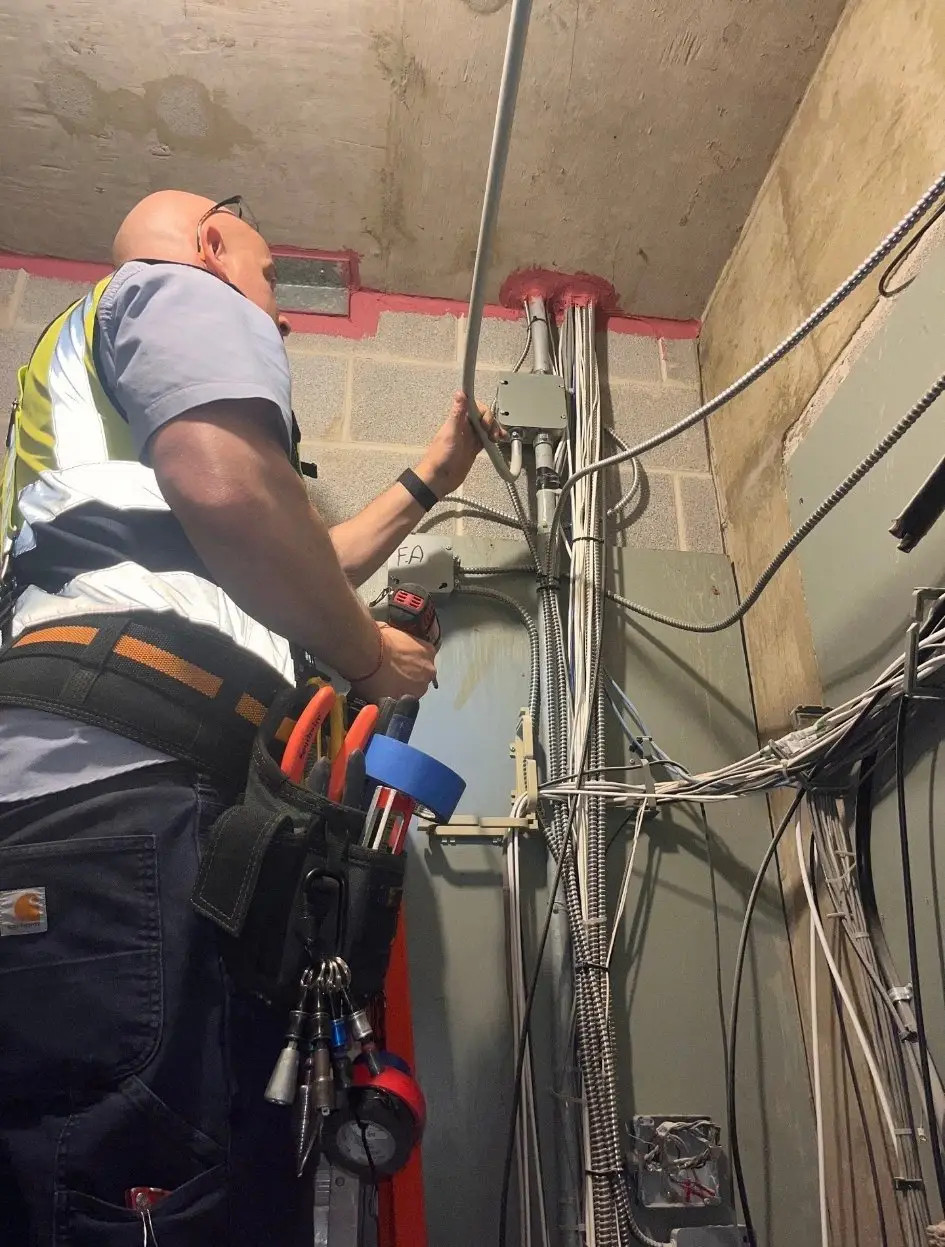
Good installation has a look. Runs are neat and supported, not draped. The panel is dressed and orderly, every breaker labelled in writing you can read. The work area is protected during the job and clean after it. A good installer is meticulous, good with their hands, and treats “hidden inside the wall” as a reason for more care, not less.
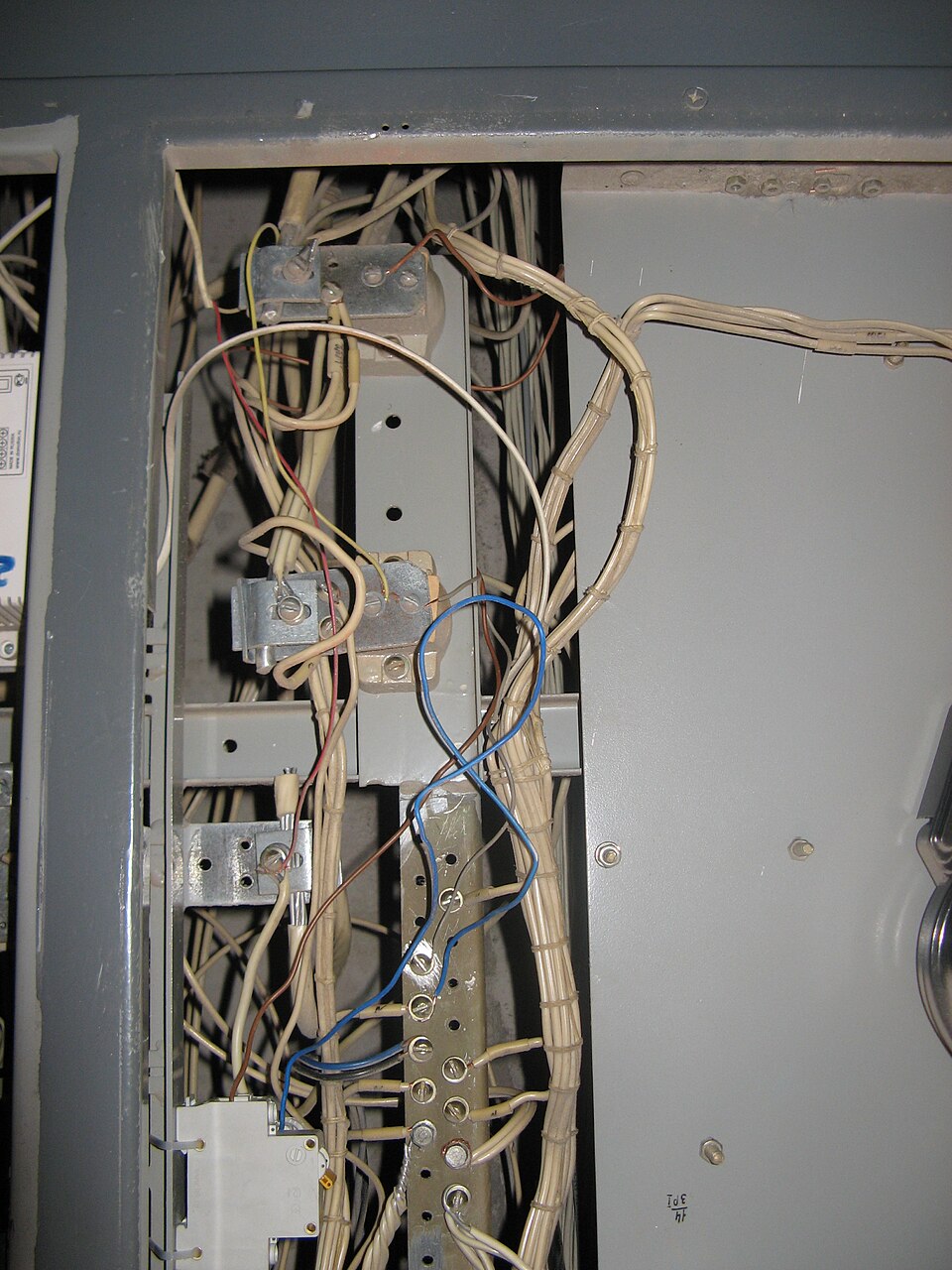
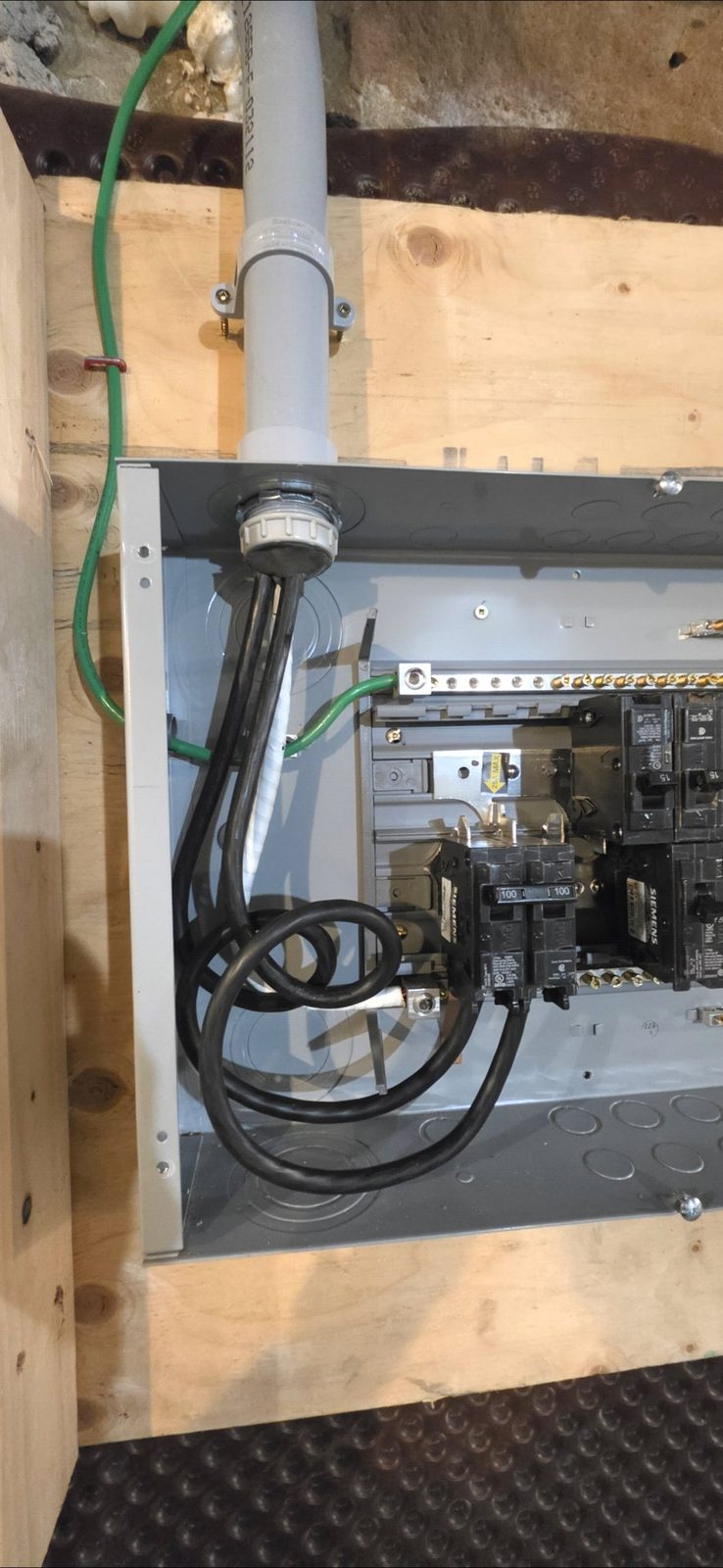
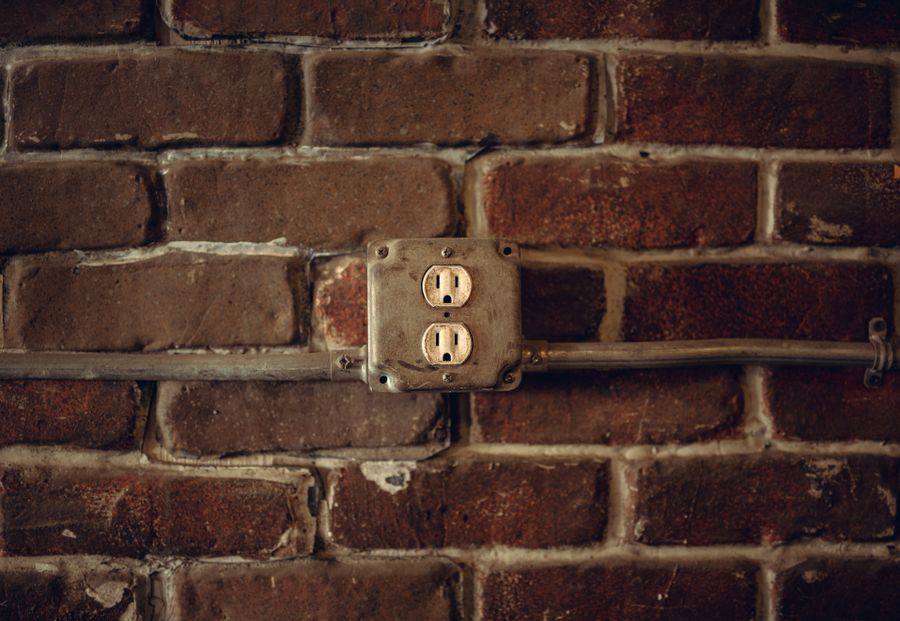
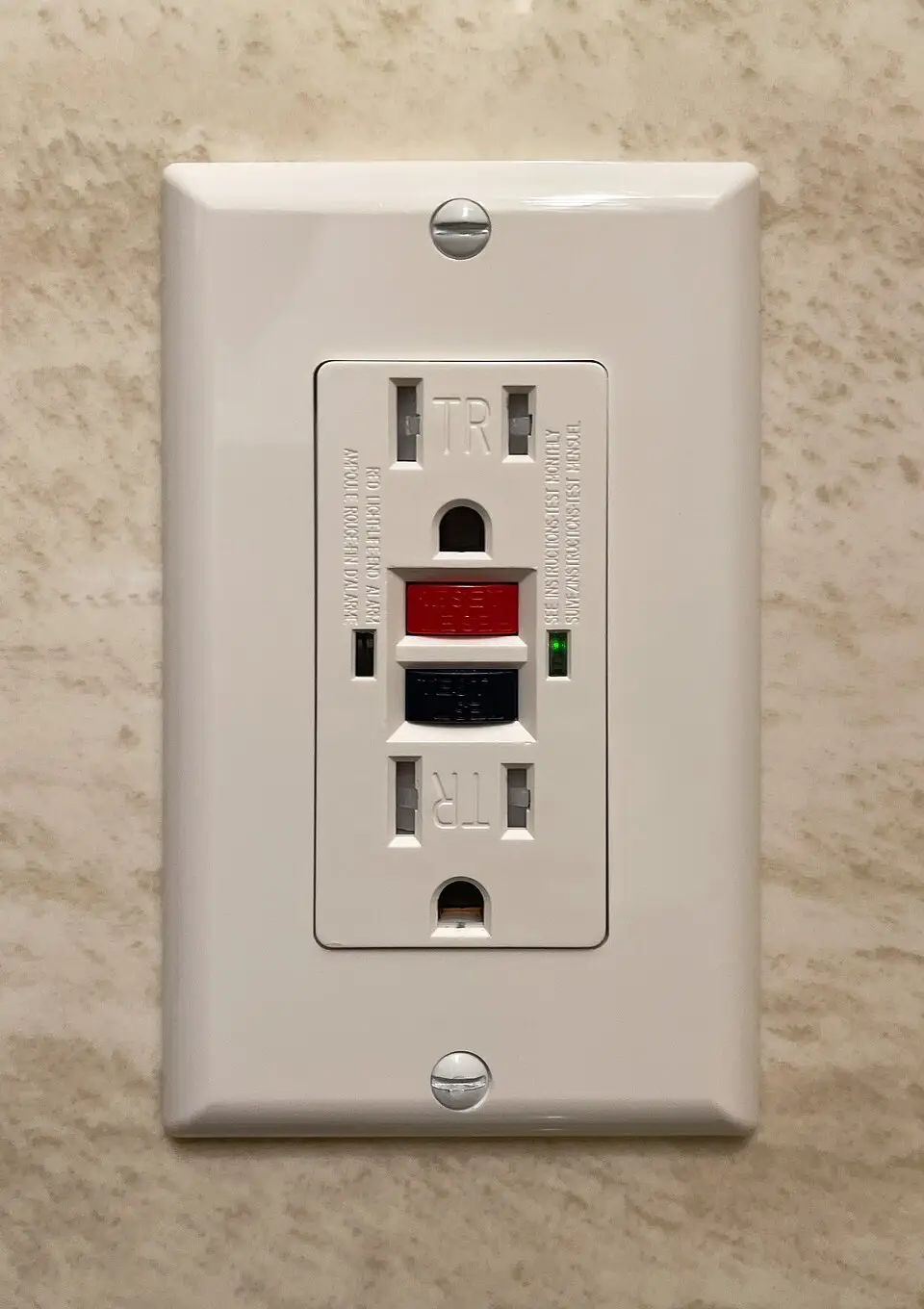
Materials are part of the craft, too. The cheapest receptacle on the shelf and a quality one differ by a few dollars and about twenty years of service — and once the plate is on, you cannot tell which one you got.
One question bridges both tests: who is actually coming? The person who quotes is not always the person who installs, and that is normal, with the master electrician’s licence standing behind the work. What is not fine is a company that cannot tell you who is coming. Whoever comes should be on time, pleasant, and able to explain the work in plain language.
The Knowledge Question: Code, Design, and the Installer
The code is the floor, not the ceiling. Knowledge has levels, and they do not all need to live in the same person. The Ontario Electrical Safety Code is the minimum for a safe, legal installation — and passing is just the starting line: a compliant installation can still be a poor design, like a panel with no room to grow.
Design sits above the code: load calculations, capacity planned for the EV charger or addition you have not bought yet, circuits laid out for how the home will actually be used. That is engineering judgment — why panel upgrades are as much a design job as an installation job. 3e is built around this level, led by an engineer and master electrician, Marcello Piccinato, P.Eng., ME.
The installer needs to be a great installer, not a code scholar: neat, careful, on time, pleasant to have around, working to a standard the company set. Look for the company that holds the knowledge across the team — and sends installers whose craft speaks for itself.
Read the Reviews Twice: Once for the Company, Once for the Craft
Reviews are honest — about the experience. Homeowners rate what they can see: punctuality, communication, a tidy job. What they can’t see is the work itself, sealed in the walls. So five stars tell you the company treats people well, and almost nothing about whether the connections behind the drywall were done properly. Read reviews for the service. Judge the craft by what can be checked.
First pass — the company. Look for the service words: returned calls, arrived when promised, kept me posted, invoice matched the quote. Check the pattern over years, across platforms: consistency is hard to fake. And read the owner replies: how a company answers a complaint shows its character.
Second pass — the craft you can see. Look for the work words: neat, meticulous, labelled, clean, took pride. Homeowners notice that craft and write about it. Read it as a good sign about a company’s habits — not proof of the hidden work, sealed behind the drywall before anyone could review it.
So judge the craft by what can be checked: the licence, which anyone can look up; the ESA notification, filed before the work starts, and the Certificate of Acceptance that follows the inspection; a workmanship warranty with years on it, in writing. And look at the work itself — a company that is proud of its installations posts photographs of them on Instagram and its other social pages: panels, finished installs, the stages in between, where the neatness of the work is visible to anyone, no electrical training required.
We post our work on our Instagram — panels, installs and the in-between stages, not just the pretty finishes. Look at the work and judge it for yourself. We are among the best in the business.
We hold ourselves to that standard: 200+ reviews across Google, HomeStars, Houzz, Facebook and TrustedPros, averaging 4.9 — and awards listed on our accreditations page.
Red Flags: ESA’s List, and a Few More
ESA publishes its own list of warning signs that an operator is not licensed:
- They ask you to file the ESA Notification of Work in your name — or tell you that you don’t need one.
- There is no ECRA/ESA licence number on their vehicle, estimate, or advertising — and they will not give it to you when you ask.
- They do a bit of everything — drywall, flooring, plumbing, snow removal — with electrical on the side.
- They offer a discount for cash and will not provide a receipt.
- They say, “If anyone asks, tell them you did the work yourself.”
Add a far-below-market price and pressure to sign today — any one flag is a reason to keep looking.
Questions to Ask Before You Hire
- What is your ECRA/ESA licence number?
- Will the ESA notification be listed on my estimate, and will I receive the Certificate of Acceptance?
- Can I see proof of liability insurance and a WSIB clearance certificate?
- Who is your master electrician — and who will actually be in my home doing the work?
- How do you handle the design side — load calculations, capacity for what I might add later?
- Is the quote written, itemized, and fixed? What is included — permit, materials, inspection?
- What happens if you find something unexpected once you open things up?
- What workmanship warranty do I get, in writing — and for how long?
- How will I hear from you before, during, and after the job?
Frequently Asked Questions
How do I verify an electrician’s licence in Ontario?
Use ESA’s contractor lookup at FindaContractor.ESAsafe.com. Enter the business name or licence number and confirm it is current and matches the company. The number should appear on their quote, vehicle, and website (3e Electrical’s: ECRA/ESA 7014948). A company that will not give you the number is a red flag all by itself.
What is the difference between a good electrician and a good electrical company?
Two different evaluations. The electrician is a craft judgement: meticulous, neat work that lasts — tidy runs, a dressed and labelled panel, care with the hidden work. The company is a service judgement: licence, permits, written quotes, warranty, booking, arrival times, communication, clean billing. A good hire passes both.
Does my electrician need to pull a permit — and who files it?
For most work, yes. Panel work, new circuits, EV chargers, and renovation wiring require an ESA Notification of Work (the electrical permit) and an inspection. Only a Licensed Electrical Contractor can file it — never you. It belongs on your estimate, and you get the ESA Certificate of Acceptance once the work passes.
My electrician knows the code inside out. Is that enough?
It is necessary, but it is not the whole job. The code is a minimum standard: an installation can pass inspection and still be a poor design. Above the code sits design: load calculations and capacity planned for how the home will be used. The company holds that knowledge; the installer needs to be an excellent installer.
Run Both Tests on Us
Hiring an electrician in Toronto, Etobicoke, Mississauga, North York, Oakville, Richmond Hill or Vaughan? Run this checklist on 3e. Our licence — ECRA/ESA 7014948 — is verifiable in ESA’s lookup. We file the ESA notification and hand you the Certificate of Acceptance. Our quotes are written and fixed, our workmanship warranty is DecadeShield’s 10 years in writing, and the company is led by an engineer and master electrician.
Start with a free remote estimate, or call 3e Electrical at (647) 560-7995 — we will happily be your test case.