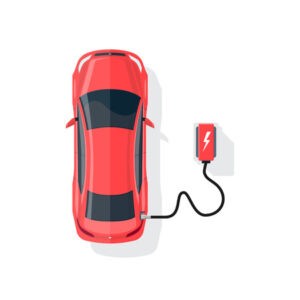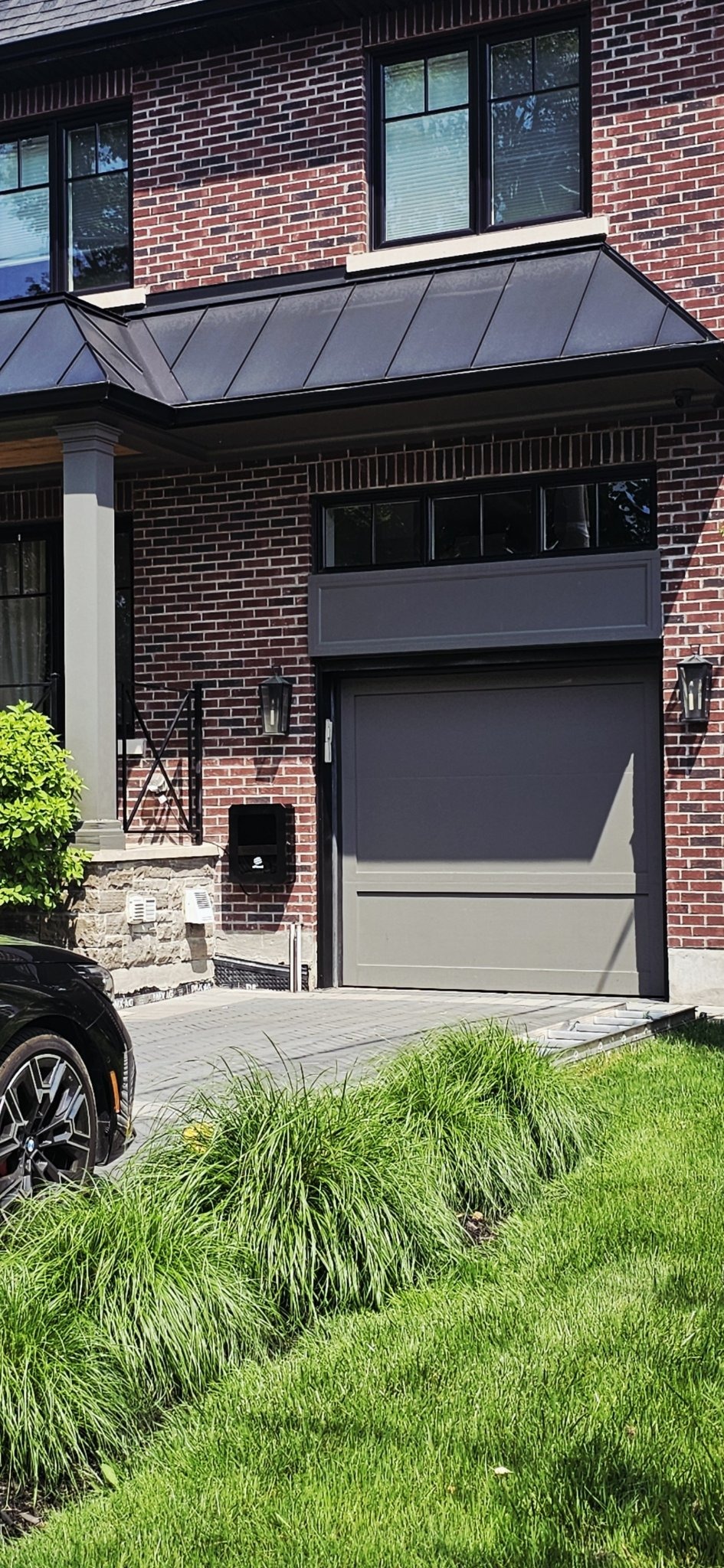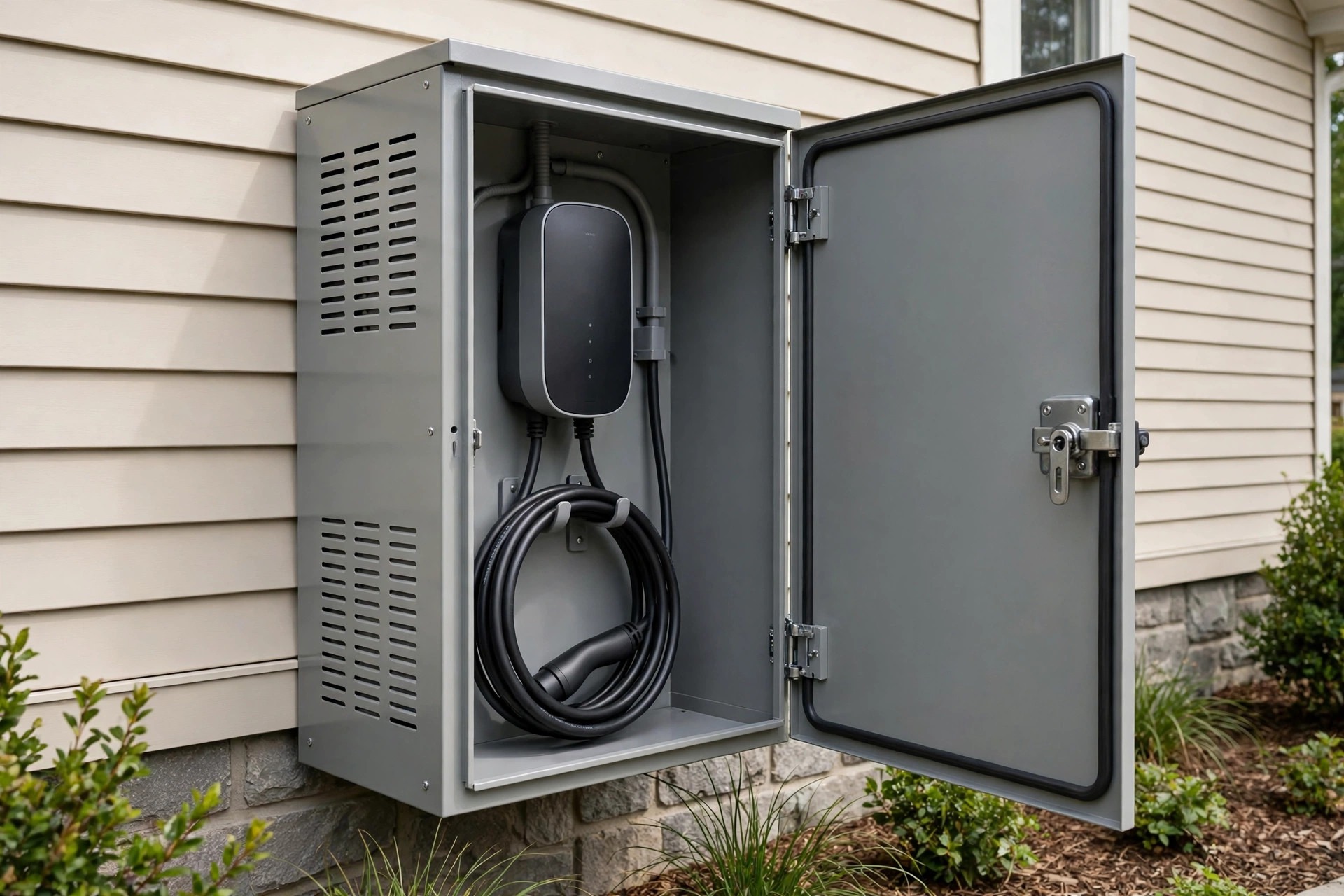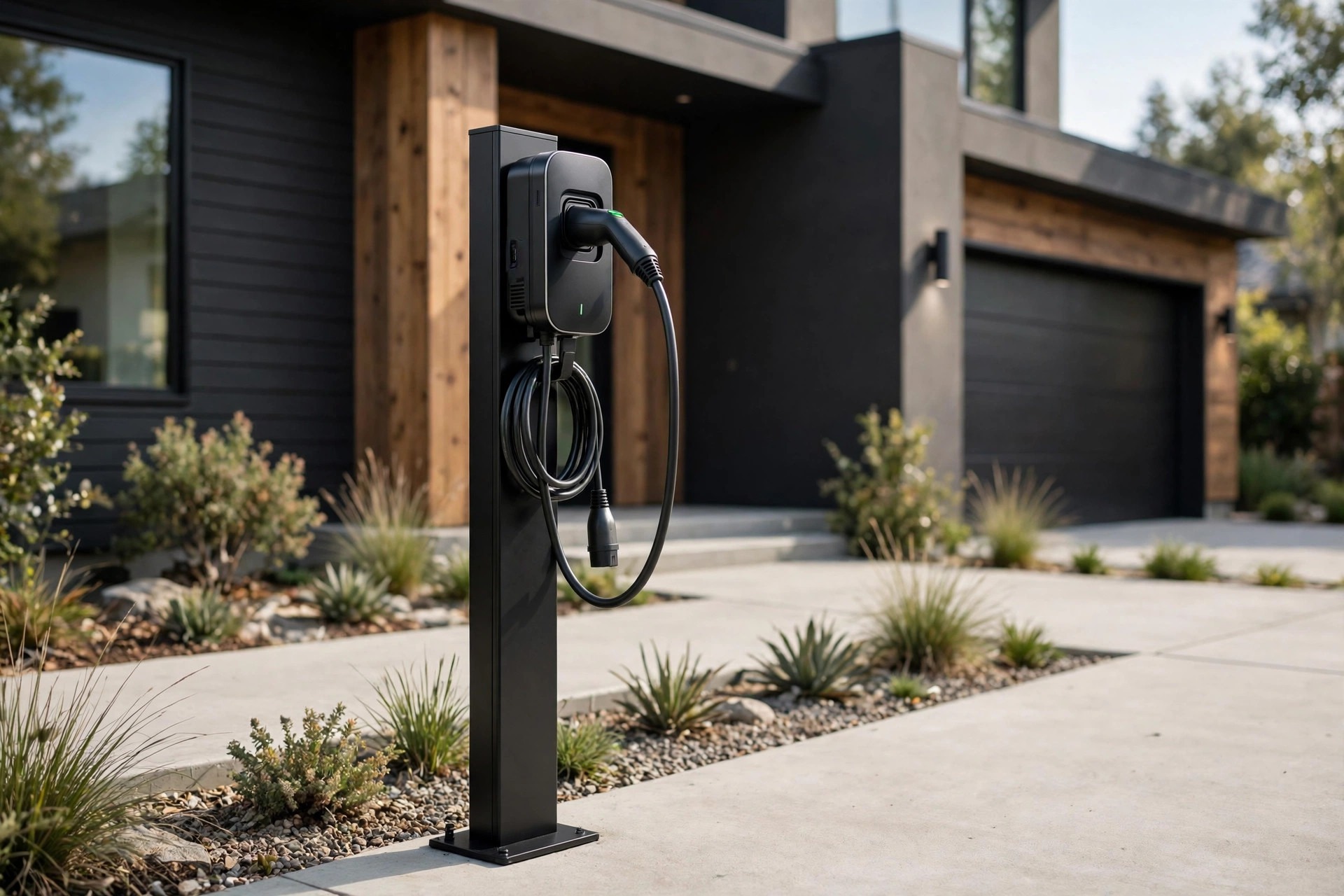
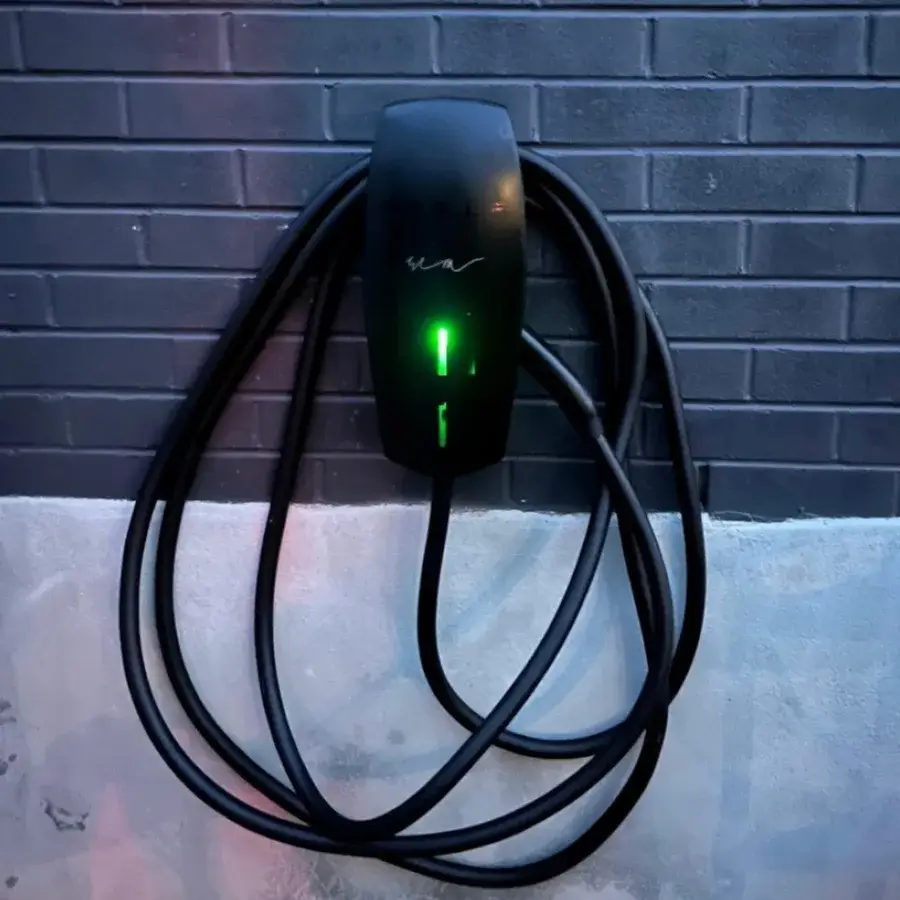
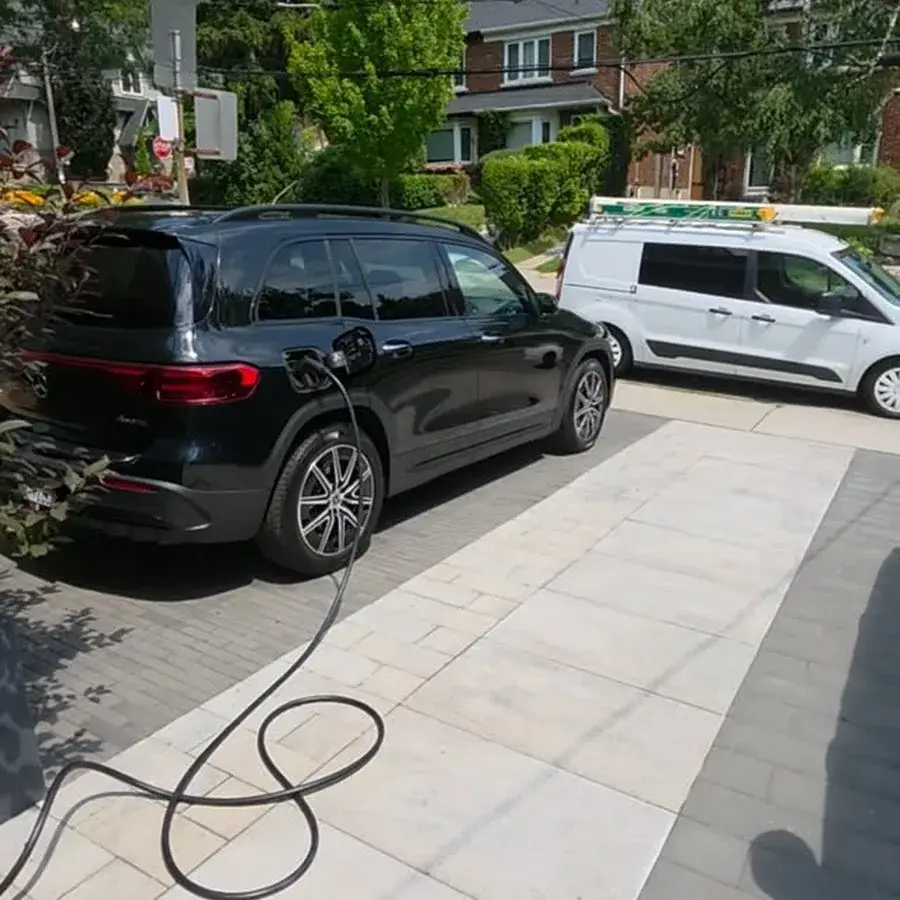
When your EV is charging, its battery is connected to your building’s electrical system. The charger is the conduit — whatever reaches the panel can reach the car.
Tap a photo to view it full size
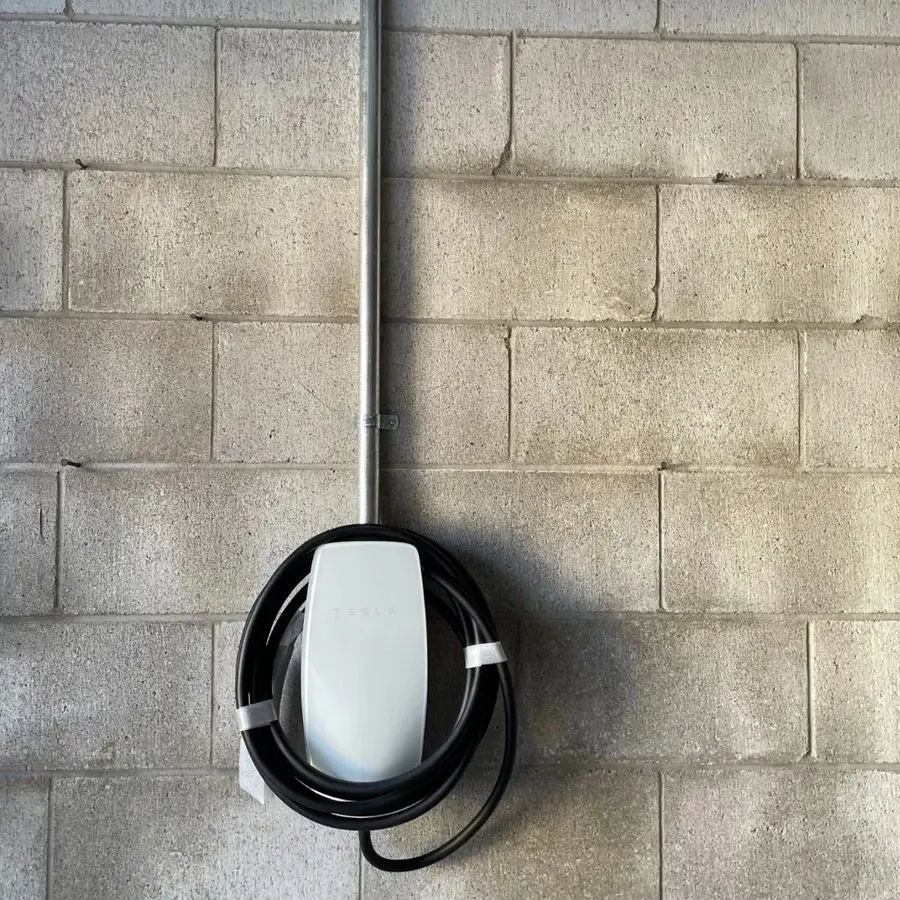
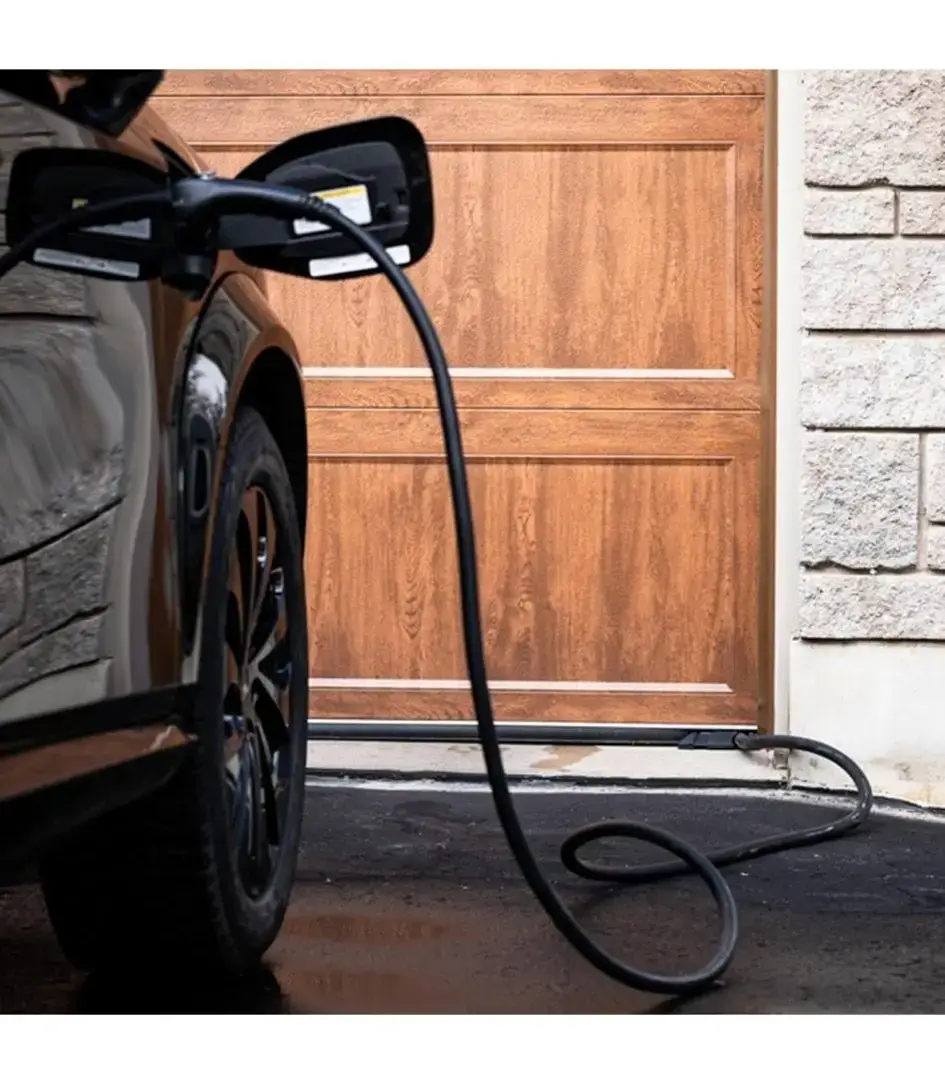
Built-in charger surge protection isn’t enough
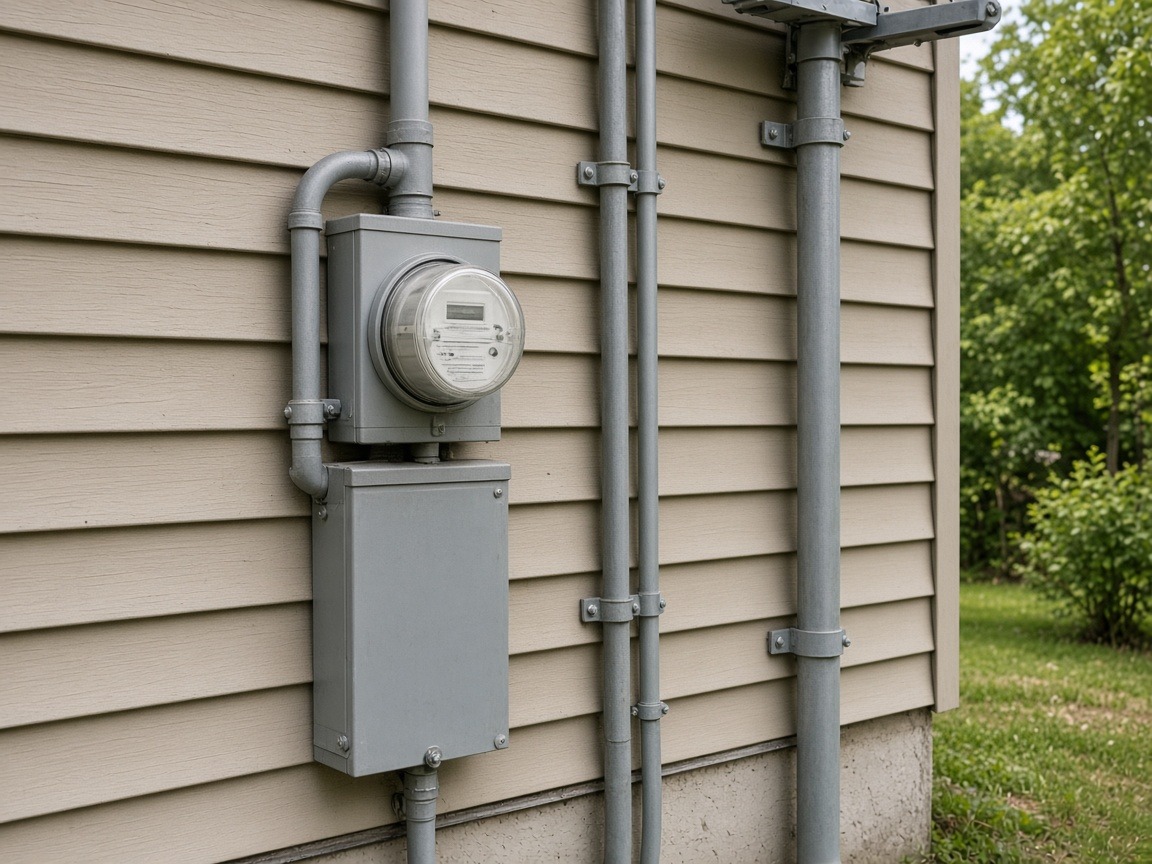
Most EV chargers include some surge protection. That’s a first line only. It is not comparable to a properly installed Type 1 or Type 2 surge protective device (SPD) at the service entrance or main panel — for a home or a commercial site.
Tap a photo to view it full size
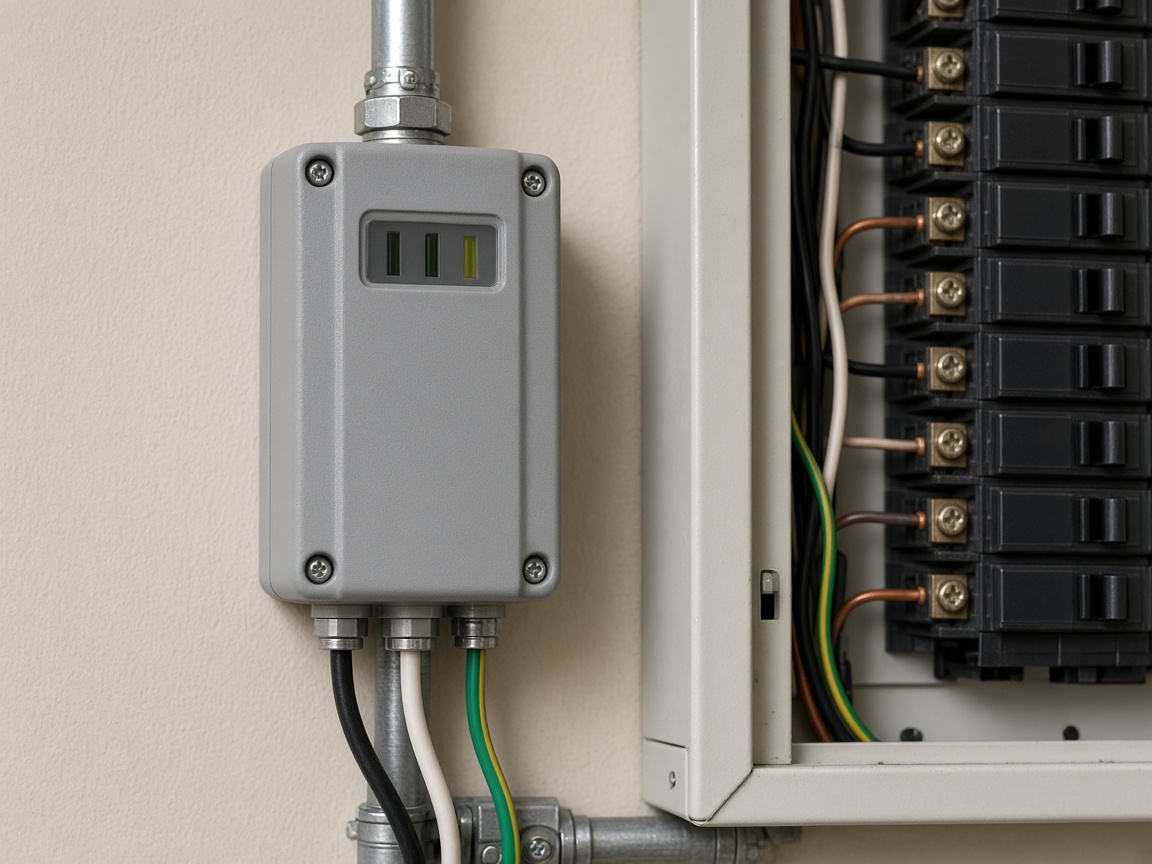
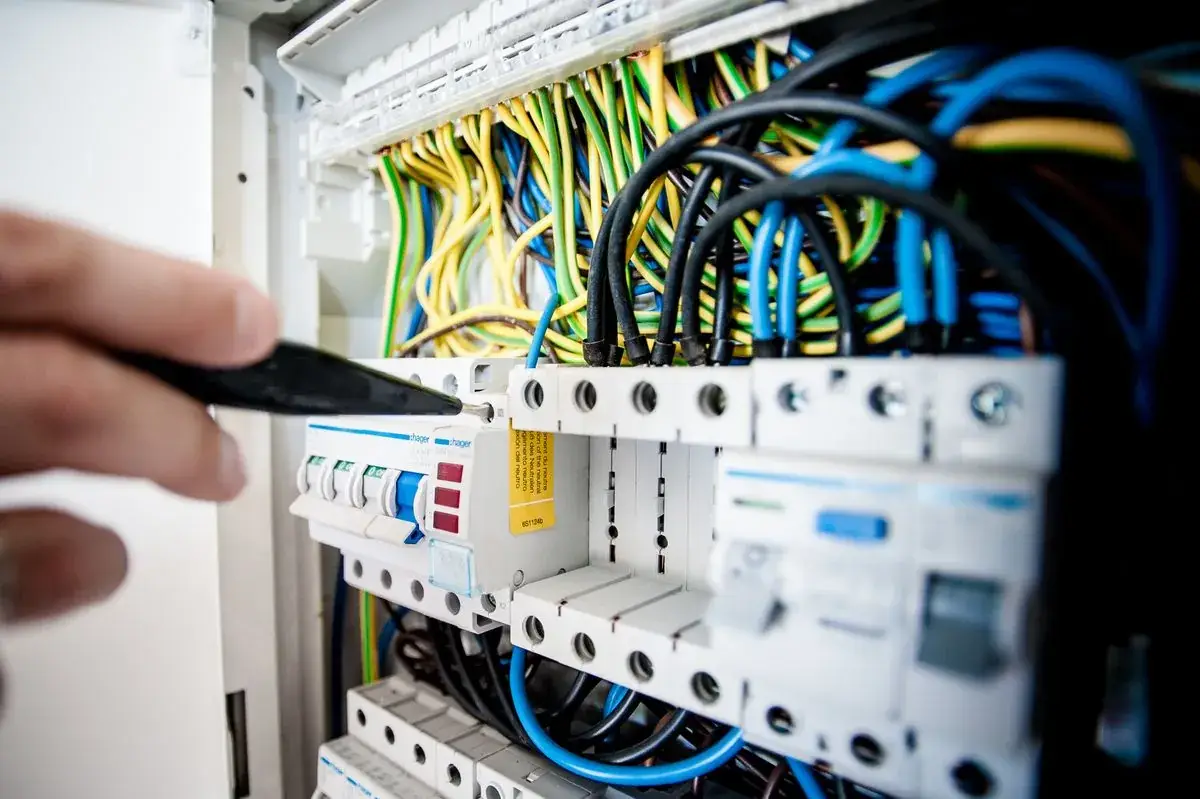
What leaves the battery exposed
- Old or overloaded panels with little surge resistance
- Improper wiring
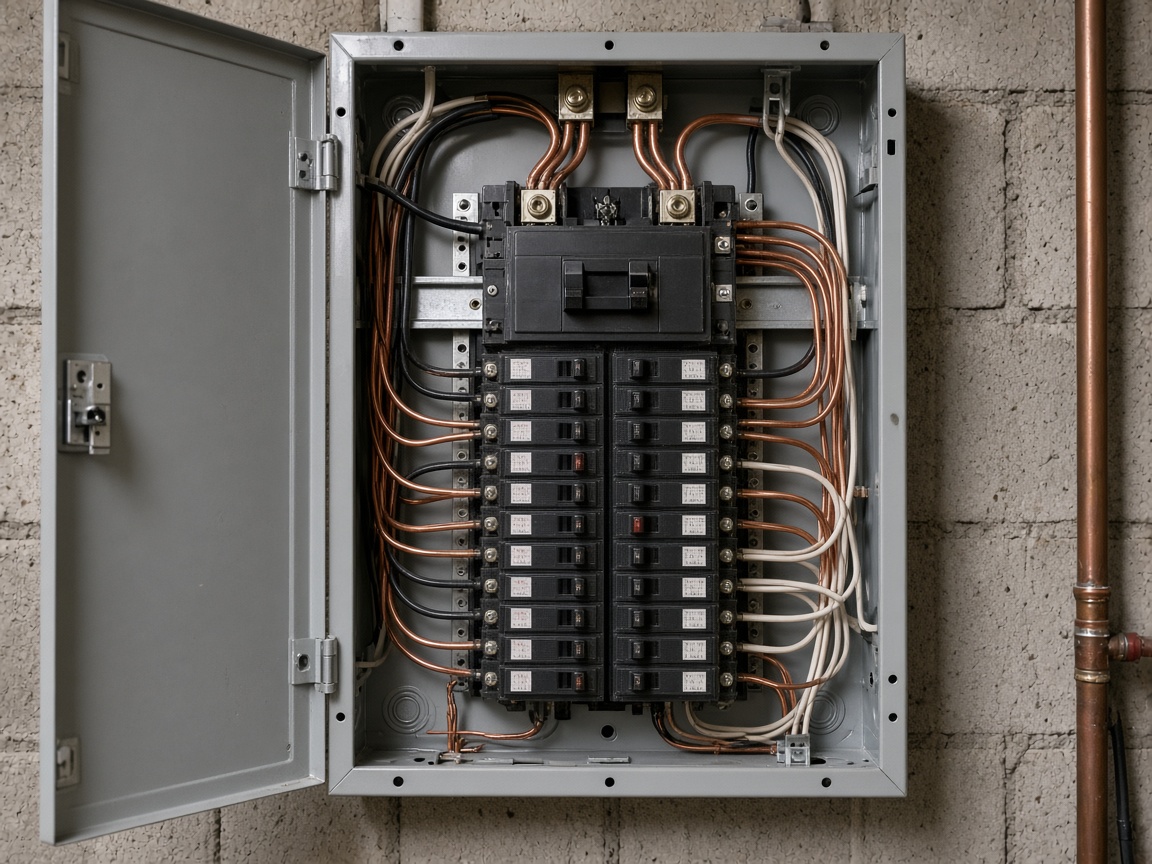
- Missing or inadequate grounding and bonding
Those conditions can cause silent EV battery degradation over time — no dramatic failure, just range and charging behaviour that slowly get worse.
Tap a photo to view it full size
What actually protects the vehicle
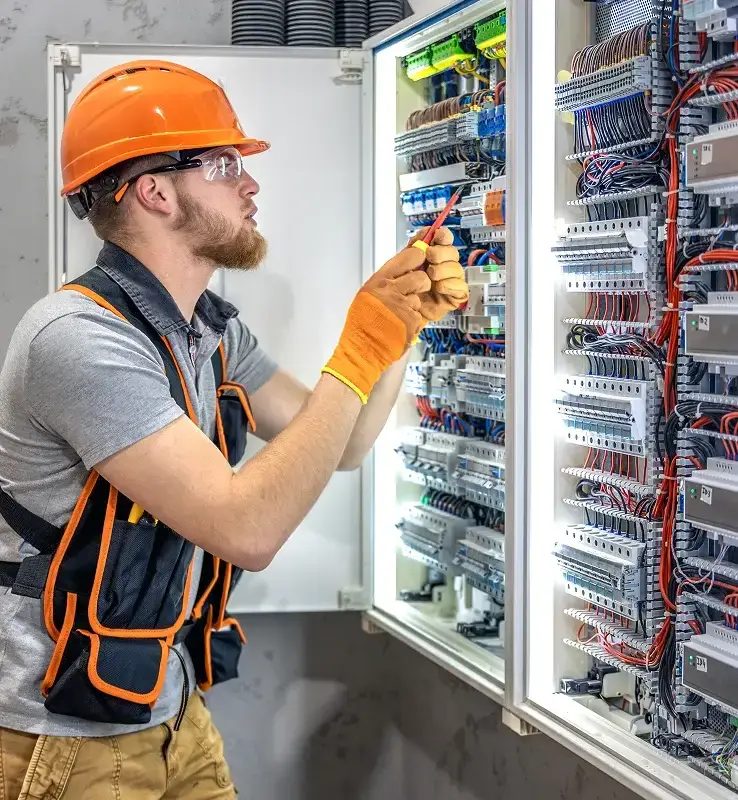
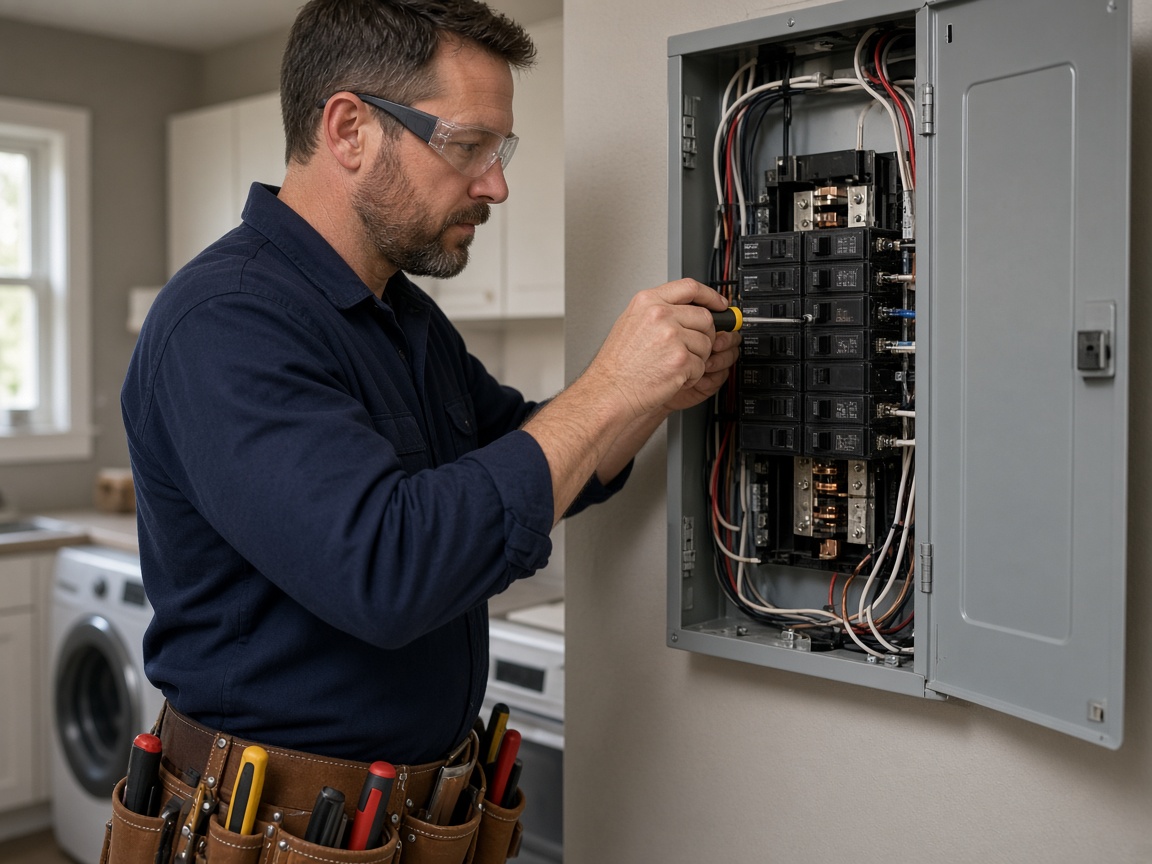
Proper electrical installation at the house or business:
- Correct breaker sizing and conductors for the charger circuit
- Sound grounding and bonding
- Whole-panel / service surge protection (Type 1 / Type 2 SPD)
- ESA-permitted work by a licensed electrical contractor
Same rules apply to homes and commercial charging installs.
Tap a photo to view it full size

Tap a photo to view it full size
Tap a photo to view it full size
Free EV charger health check
3e inspects your panel, charger, and charge port — and tells you what’s fine, what’s worth watching, and what should be fixed.
Call (647) 560-7995 or request a quote.
3e Electrical Construction · 255 Glenlake Ave, Suite 1007, Toronto, ON M6P 1G2