SURGE PROTECTION · EV CHARGERS
Can a Power Surge Fry Your EV Charger?
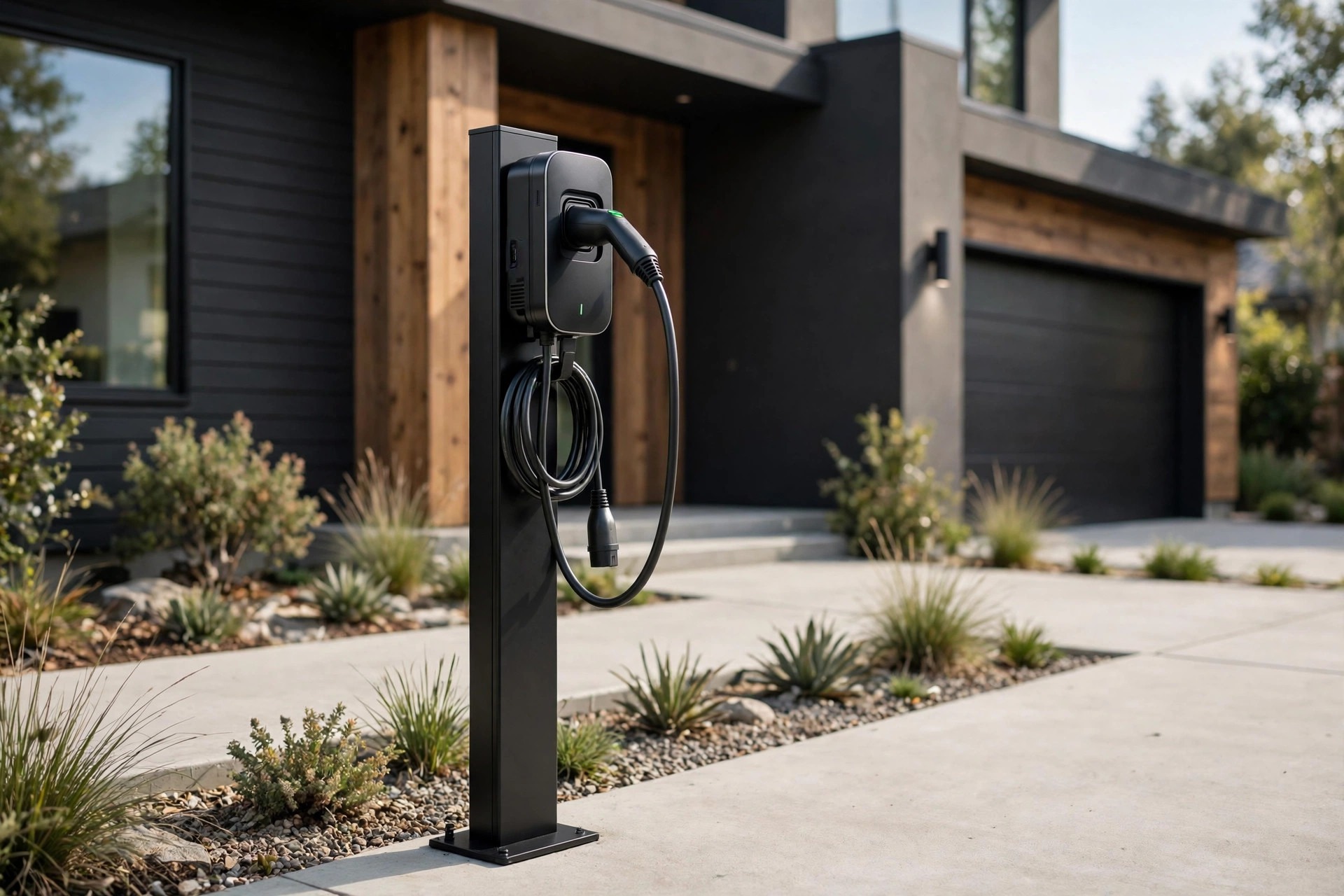
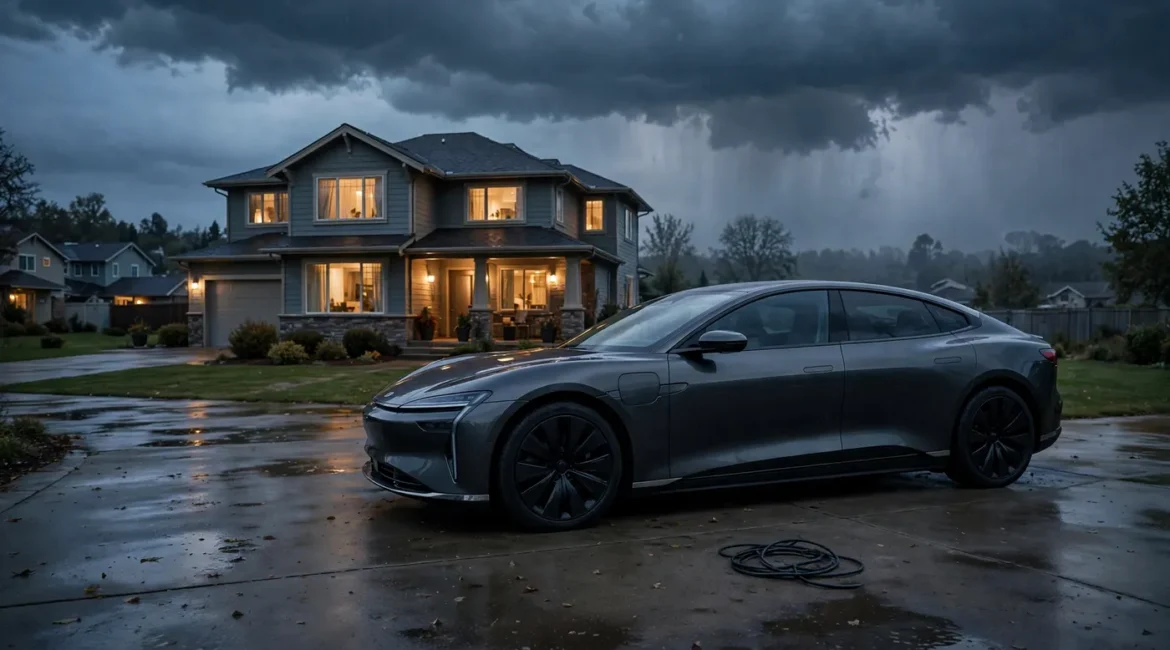
Your EV charger is one of the most expensive pieces of electronics in your home — and it sits wired directly to the grid, 24 hours a day. Here’s how surges happen in the GTA, what they can destroy, and the one device that stands between a spike and a very expensive replacement.
KEY TAKEAWAYS
- Power surges come from lightning, utility grid faults, and nearby construction — all common in the GTA.
- EV chargers are especially vulnerable: sensitive electronics, always connected, costly to replace.
- A Type 2 surge protector at your panel shunts the spike to ground before it reaches your charger or appliances.
- Surge protection is sacrificial — there’s no reset button. Indicator lights show when the unit has done its job and needs replacing.
- 3e installs whole-home surge protection across Toronto and the GTA, typically $500–$1,200 installed.
What a power surge actually is
Your home runs on roughly 120 volts per circuit. A surge is a brief spike — hundreds or thousands of volts — that races through your wiring in a fraction of a second. Most are too small to notice. The big ones melt circuit boards, weld contacts, and kill electronics outright. Your EV charger’s internal electronics are exactly the kind of precision hardware a surge loves to destroy.
Where surges come from in the GTA
Surges aren’t rare freak events. In Toronto and the surrounding cities, they come from three everyday sources:
1. Lightning
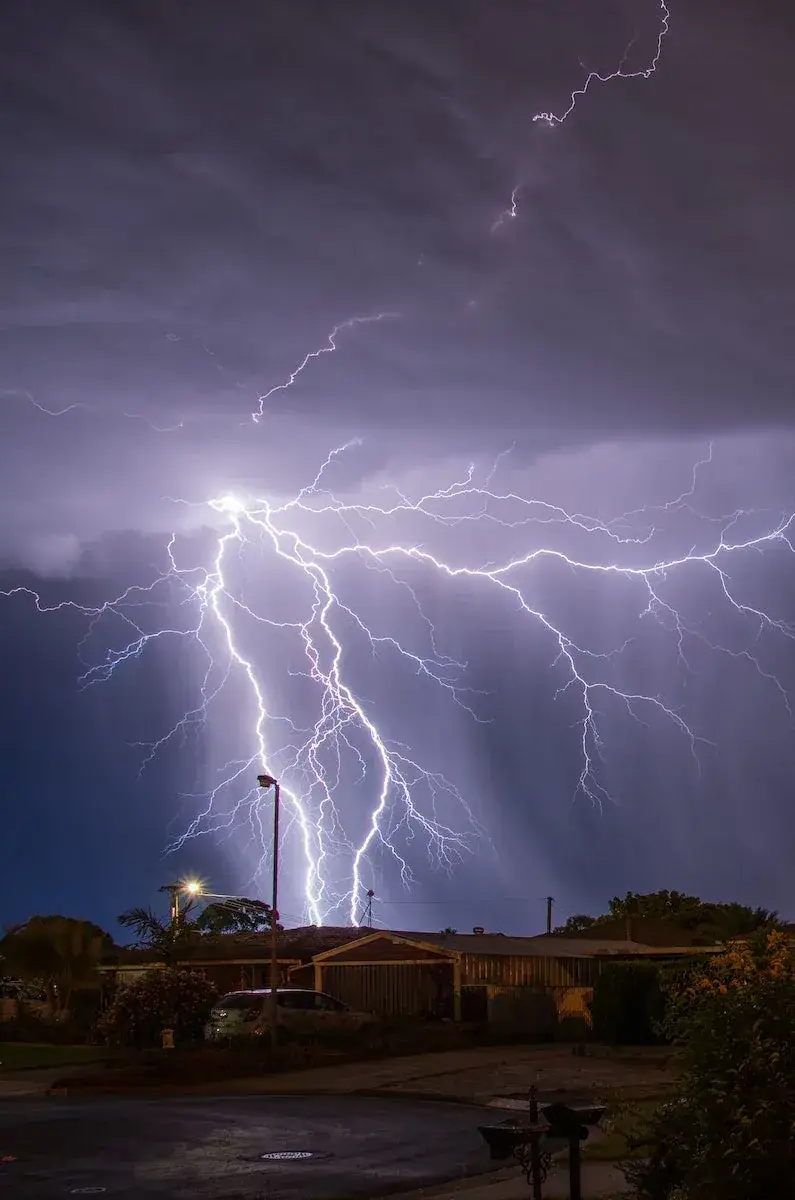
Southern Ontario gets some of Canada’s most intense summer storms. A strike doesn’t need to hit your house — hitting a transformer, a pole, or even the ground nearby can send a massive spike travelling down the lines and straight into your panel.
2. Failures and switching on the electrical grid
Utilities switch circuits, clear faults, and restore power after outages constantly. Every one of those operations can throw a transient spike onto the lines feeding your street. If you’ve ever noticed lights flicker when power comes back after an outage, you’ve seen the grid’s rough edges firsthand.
3. Construction in your area
The GTA is one big construction zone. Excavators dig near buried lines, cranes work around overhead wires, and new developments tie into the grid — any of which can cause faults, shorts, or switching spikes that ripple through neighbouring homes. If there’s active construction on your street, your surge risk is higher than usual.
Why your EV charger is especially at risk
Not every appliance faces the same danger. EV chargers check every box:
- Always connected. Unlike a TV you can unplug during a storm, your charger is hard-wired to the panel around the clock.
- Sensitive electronics. Modern chargers are computers — Wi-Fi, load management, safety relays — all on delicate circuit boards.
- Expensive to replace. A fried charger means a new unit plus another installation visit.
- Your car is in the chain. A large enough surge can travel past the charger and threaten the vehicle’s own charging electronics and battery.
A $30 power bar can’t help here. This needs protection at the panel, where the surge enters.
What a panel surge protector does
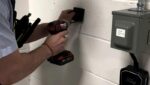
A whole-home surge protector (a Type 2 SPD) mounts inside or beside your electrical panel and watches your incoming power continuously. The instant voltage spikes past a safe threshold, it shunts the excess straight to ground — in nanoseconds — before it can travel down your branch circuits to the charger, the fridge, the furnace board, or anything else.
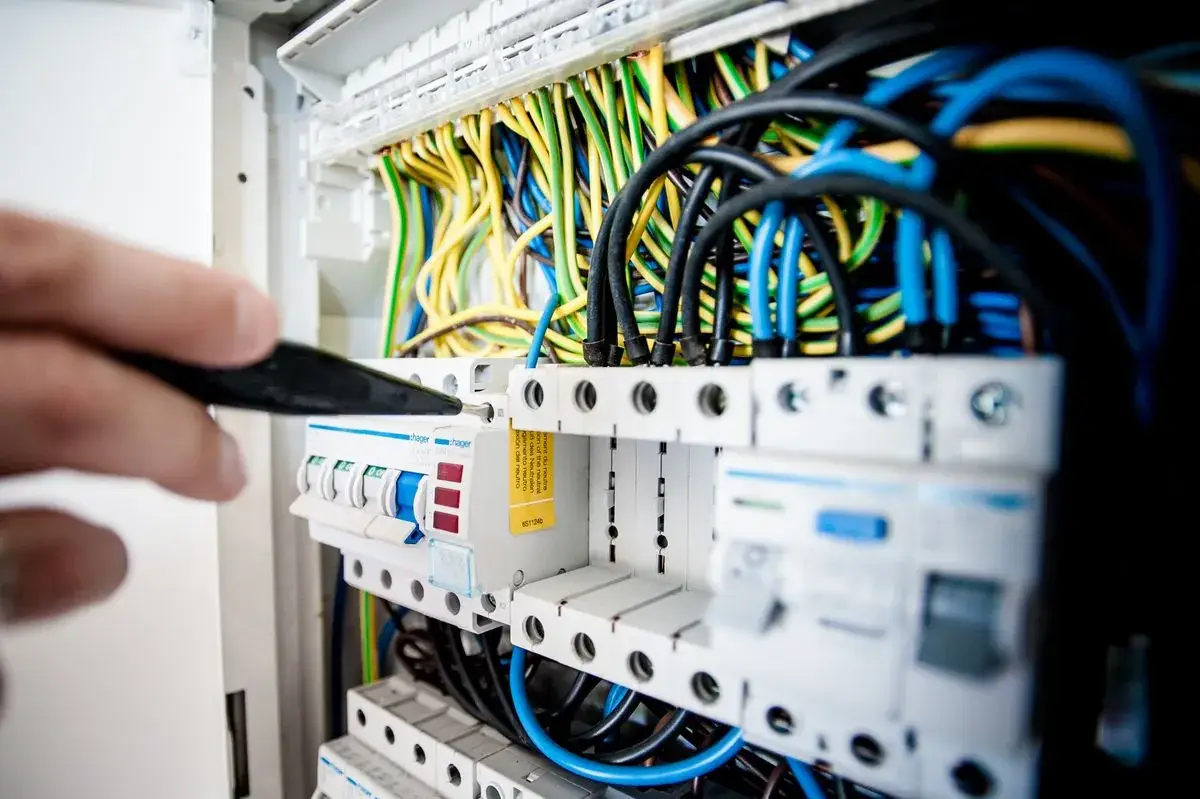
Its kA rating tells you how much surge current it can absorb. 3e installs the Siemens BoltShield FSPD140 — a 140kA Type 2 unit — and the compact breaker-format Siemens QSA2020SPD for tighter panels. One device, and every circuit in the house is covered, including the EV charger. Fitting one is a short job for an electrical contractor, and it protects every circuit the panel feeds — not just the charger.
The honest part: surge protection is sacrificial — there is no reset button or resettable module on any residential unit. The protector gives its life absorbing spikes so your equipment doesn’t have to. Indicator lights show it’s still guarding you; when they’ve done their job, the unit gets replaced. That’s the correct, safe design.
What 3e installs — and what it costs
Our licensed electricians install the SPD at your panel, verify your grounding, and confirm the indicator lights are live — usually in a single visit. Most whole-home surge protector installations land between $500–$1,200 depending on the unit and your panel. Every installation is backed by our DecadeShield™ 10-year workmanship warranty. Because the device lives in your panel, it is installed by a licensed electrical contractor — panel work is not a DIY project.
Already have us out for an EV charger installation? Adding surge protection during the same visit is the smartest time to do it — the panel is already open and the permit is already in motion. Learn more on our surge protection and panel upgrades pages.
Serving Toronto & the GTA. 3e installs whole-home surge protection for EV charger owners across Toronto — including Swansea, Baby Point, and Bloor West Village — plus Etobicoke, Mississauga, North York and Oakville.
Frequently asked questions
Will a surge protector stop my breaker from tripping?
No — they do different jobs. A breaker guards against overcurrent (too many amps, which causes heat and fire risk). A surge protector guards against overvoltage (a voltage spike). You need both, and they work side by side in your panel.
Does my EV charger already have surge protection built in?
Some chargers include basic onboard suppression, but it’s nothing close to a panel-rated SPD. Think of it as a bike helmet versus a roll cage — the panel unit takes the real hit so the charger’s own defences never have to.
How do I know if my surge protector has absorbed a surge?
Indicator lights on the unit show its status. If the lights show it has sacrificed itself, the unit needs replacing — it can’t be reset. During any 3e visit we check the indicators and tell you straight whether yours is still guarding you.
How long does a whole-home surge protector last?
Years, in most homes — it depends on how much surge activity your area sees. Homes near frequent construction or in storm-prone pockets go through units faster. That’s normal; it means the device did its job.
Can you add one to my existing panel?
In most cases, yes — it’s a compact install that fits the majority of residential panels, usually completed in a single visit. If your panel is full or outdated, we’ll tell you upfront and can pair it with a panel upgrade.
Does it protect the whole house or just the EV charger?
The whole house. Because it installs at the panel where power enters, every circuit benefits — charger, appliances, furnace electronics, home office, all of it.
Protect the charger before the next storm does its worst.
Licensed electricians · ESA/ECRA · DecadeShield™ 10-year workmanship warranty
Request a Quote