Electrical Panel Upgrades in Toronto & the GTA
100A to 200A panel and service upgrades, installed in as little as one day by licensed Toronto electricians.
Your electrical panel is the heart of your home’s electrical system. In many Toronto homes it is also the hardest-working part – and in older homes, it may be working beyond what it was designed to handle. If your breakers trip regularly, your lights flicker, or you are planning an EV charger, a hot tub, or a major renovation, a panel upgrade may be the most important electrical project you take on this year. This guide covers the warning signs, 100A vs 200A service, what drives cost in Toronto, and exactly what happens on install day.
7 Signs You Need a Panel Upgrade
If any of these sound familiar, have a licensed electrician assess your panel before a minor issue becomes a major one.
1. Breakers that trip constantly.
2. Flickering or dimming lights.
3. A Federal Pioneer panel.
4. A fuse box instead of breakers.
5. A burning smell or scorch marks.
6. A panel over 25 years old.
7. Plans for an EV charger, hot tub, or renovation.
100 Amp vs 200 Amp: Which Do You Need?
Amps measure how much electricity your home can draw at once. Most older Toronto homes were built with 60A or 100A service – plenty in the 1970s, but tight for a modern household running central air, an electric dryer and range, a home office, and now an EV.
A 200A service is the modern standard for detached and semi-detached homes. It roughly doubles your available capacity and leaves headroom for the next twenty years of electrification: EV chargers, heat pumps, induction cooking, and basement suites.
The definitive answer comes from a load calculation. A licensed electrician totals up your home’s electrical demand according to the Ontario Electrical Safety Code and determines the service size you actually need. If you are adding any major load – or your panel is already full of tandem breakers – 200A is almost always the right call. A licensed electrical contractor will not guess at this: the load calculation comes first, and the recommendation follows from it.

Panel Upgrade vs Service Upgrade
The two terms get mixed up, but they describe different jobs:
Panel replacement (panel upgrade)
Swapping your old panel for a new breaker panel at the same amperage – for example, replacing a fuse box with a modern 100A breaker panel. You get safer, more reliable breakers and more circuit spaces, but your home’s total capacity stays the same.
Service upgrade
Increasing your home’s amperage – typically from 100A to 200A. This is the bigger job: new service conductors, a new meter base, a new panel, coordination with Toronto Hydro, an ESA permit, and an ESA inspection.
A load calculation settles which one you need. If your demand fits your current service, a panel replacement may be enough. If you need more power, only a service upgrade will do.
What a Panel Upgrade Costs in Toronto
Every home is different, so be cautious of one-size-fits-all prices. These are the factors that determine the cost of a panel upgrade in Toronto:
Panel size and amperage
Labour and job complexity
Permits and inspections
Condition of existing wiring
Panel relocation
The only way to get an exact number is an assessment. We inspect your panel, run a load calculation, and give you a firm written quote.
The Install-Day Process
Most residential panel upgrades are completed in one day. Here is the typical sequence:
- Assessment and load calculation – we confirm the right panel and service size for your home.
- ESA permit – we pull the required permit before any work begins.
- Power shutdown – we coordinate a safe shutdown; for service upgrades this includes the utility.
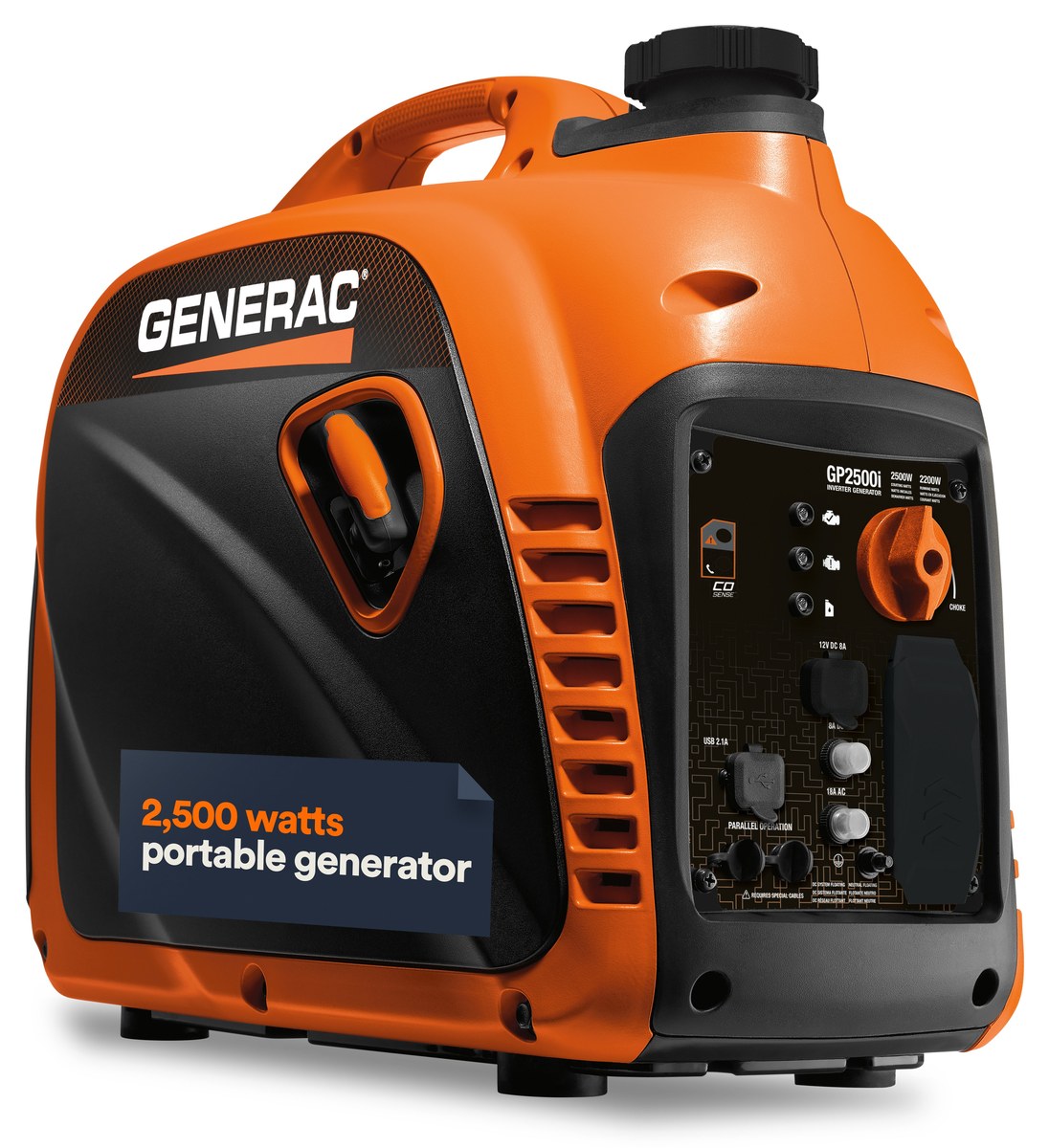
WHAT WE DO DIFFERENTLY
Stay connected while your panel is replaced.
For an additional charge, we can set up temporary backup power for selected 15- or 20-amp circuits during the shutdown, so your modem, computers and office lighting keep running while the rest of your home is safely powered down.
- Old panel out – the existing panel is disconnected and removed.
- New panel in – the new panel is installed, circuits are reconnected, labeled, and tested.
- ESA inspection and power restored – the installation is inspected, then your power is back on.
You will be without power for part of the day. We tell you in advance exactly when the outage starts and ends so you can plan around it.
EV Chargers, Hot Tubs & Renovations
These are the projects that most often trigger a call for more capacity:
EV charger installation
Hot tubs and saunas
Basement apartments and laneway suites
Kitchen renovations
Heat pumps and electric heating
Home additions
If your panel is already full or you are on 100A service, plan the panel upgrade before – not after – the renovation.
ESA Permits & Safety
In Ontario, panel and service upgrades legally require an ESA (Electrical Safety Authority) permit, and the finished work must pass an ESA inspection. This is not paperwork for its own sake – it is the independent check that your installation is safe.
Never hire anyone to do this work without a permit. Unpermitted electrical work can void your home insurance, cause problems when you sell, and most importantly, put your household at risk. Our upgrades are performed by licensed electricians, permitted with the ESA, and inspected on completion.
Ready for More Power?
Get a firm, written quote for your panel or service upgrade. We will assess your panel, calculate your load, and recommend the right size – no guesswork. That is how an electrical contractor should work: assess first, quote in writing, then do the job once and do it right. We are among the best in the business.
FAQ
How much does an electrical panel upgrade cost in Toronto?
How long does a panel upgrade take?
Do I need 100A or 200A service?
Is my Federal Pioneer panel dangerous?
Do I need a permit for a panel upgrade?
Will my power be off all day?
FREE GUIDE
The Complete Guide to Panel Upgrades in Ontario
Your home’s power, explained — 100A vs 200A sizing.
Get the Free Guide
Enter your details below and we’ll send you the complete PDF guide.